I used to think home energy storage was about saving money. Then I built the spreadsheet, and the spreadsheet said the savings were a side effect. The real product is control — over when your power comes from, and what happens when the grid stops.
This is the study guide I wish someone had handed me before I started. Not a product review. The fundamentals, the math, and the places where the math embarrasses the marketing.
Start With the Two Different Jobs
Home storage does two jobs that get talked about like one. Job one: backup — keep things running during outages. Job two: arbitrage — store cheap power (solar midday, off-peak rates) and use it when power is expensive.
The equipment overlaps but the economics don’t. Backup values capacity and reliability; it sits full most of the year and earns nothing until the bad day. Arbitrage values cycle life and efficiency; it works daily and the payback math either closes or it doesn’t.
Most residential systems are bought for job one and justified with job two’s math. That’s backwards. If you’re still weighing the battery-station route, are solar generators worth the money runs the same honest arithmetic for the portable side.
The Cost-Per-kWh Math Nobody Does First
Here’s the calculation. Take the installed cost of the system. Divide by usable capacity. Divide again by warranted cycle count. That gives you the storage cost per kilowatt-hour cycled — the number that decides whether arbitrage pays.
Worked example with round numbers: a $6,000 installed system, 10kWh usable, 6,000 warranted cycles. That’s $6,000 divided by 60,000 kWh lifetime throughput — ten cents per kWh just for the privilege of storing it. If your peak/off-peak rate spread is 15 cents, you net five cents per kWh cycled. At one full cycle a day, that’s $180 a year. Thirty-three-year payback. The spreadsheet laughed at me.
Better numbers exist — cheaper systems, bigger spreads, time-of-use rates with real teeth — and in those cases the math can close in under ten years. But “can” is doing heavy lifting. Run your utility’s actual rate schedule through it, not the national average. Your utility is the only one that bills you.
Usable Capacity Is Not Nameplate Capacity
A “10kWh” battery doesn’t give you 10kWh. Depth of discharge limits — usually 90 to 100 percent on modern lithium, better than the old lead-acid 50 percent rule — plus inverter losses of 5 to 10 percent each direction, plus the reserve most installers leave for backup. Real usable energy on a 10kWh nameplate: 8 to 9kWh on a good day.
Then there’s degradation. Warranties typically guarantee 70 percent capacity retention after ten years or a set cycle count — the details are in how long solar batteries last, and they’re less generous than the headlines suggest.
I didn’t account for degradation in my first model. The second model looked noticeably worse. The third model — the one with degradation, real rates, and actual outage frequency — is the one I believed.
Backup Sizing: The Critical-Loads Panel
For the backup job, the standard approach is a critical-loads subpanel: fridge, freezer, furnace blower or heat pump, well pump, lights, router, a few outlets. If you’re pairing storage with panels, getting the array size right matters as much as the battery — how many solar panels you need for your home is the companion math.
Size it: add up the critical loads’ daily energy, multiply by the outage duration you’re planning for, divide by usable capacity per unit. A typical critical-loads list runs 5 to 10kWh per day. Two days of autonomy means 10 to 20kWh of usable storage — one to two cabinet batteries, or a big portable station in the 2 to 4kWh range for the lighter end.
The mistake I see most: sizing for the whole house, getting a terrifying quote, and buying nothing. The critical-loads panel is the compromise that actually gets installed. A fridge that stays cold beats a whole-house system that stayed a quote.
Chemistry in One Paragraph Each
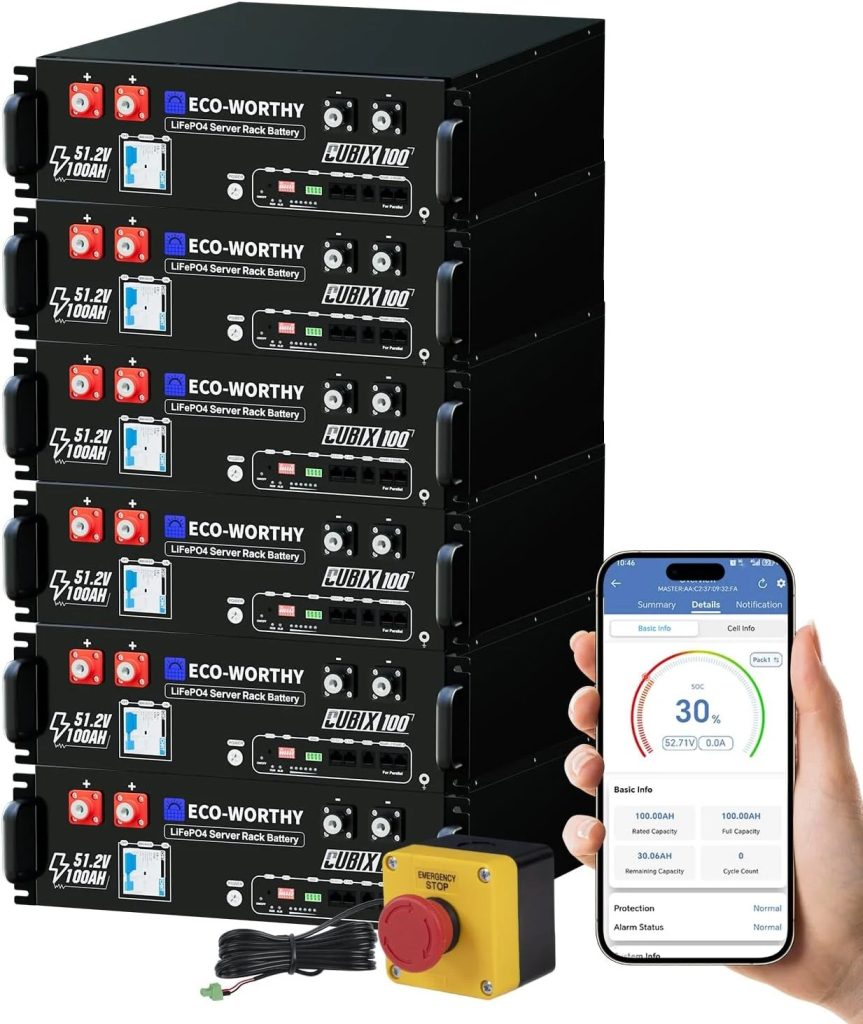
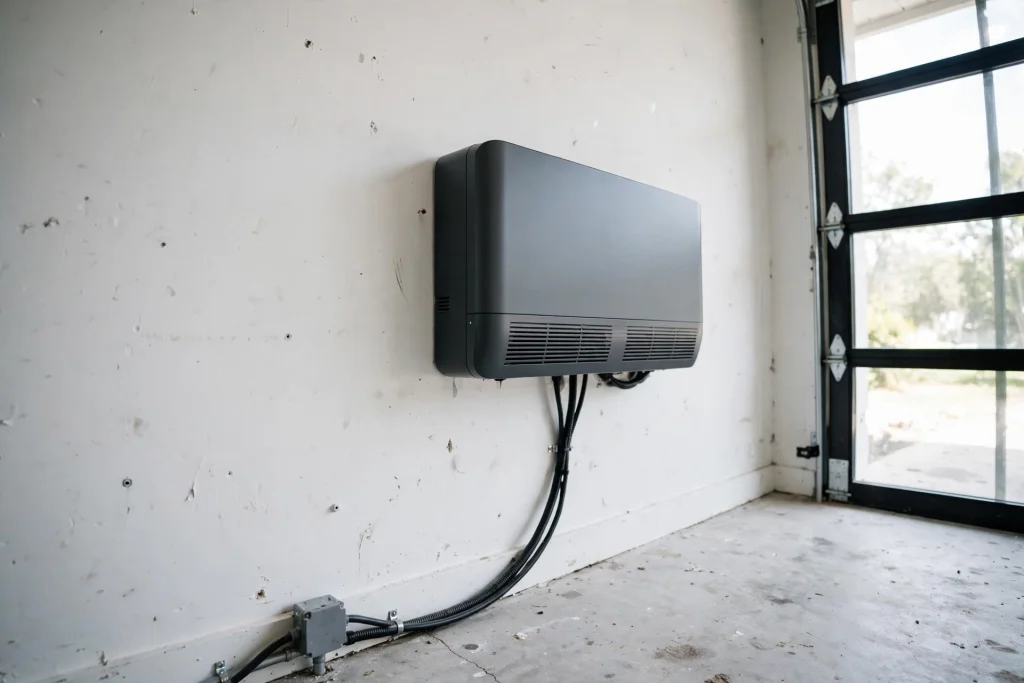
Lithium iron phosphate (LiFePO4) is the residential default now: thermally stable, 6,000-plus cycles in good designs, tolerates sitting at full charge. Heavier and bulkier per kWh than the alternatives, which doesn’t matter when it’s bolted to a garage wall.
Nickel-manganese-cobalt (NMC) packs more energy per pound — it’s what’s in most portable stations and EVs — but cycles fewer times and wants more careful thermal management. Fine for portable, less ideal for a daily-cycling home wall.
Lead-acid still exists in budget off-grid setups. Half the usable capacity per nameplate, a few hundred cycles, heavy as sin. The only argument left is upfront cost, and even that argument has been losing for years. I mention it because you’ll still see it recommended in old forum threads. Those threads are old.
The Utility Bill That Taught Me the Most
Sideways for a moment. My utility switched to time-of-use rates two years ago, and I spent a month staring at the interval data like it was a novel. Peak: 4 to 9pm, 38 cents. Off-peak: midnight to 6am, 12 cents. The spread — 26 cents — is the kind that makes storage math interesting.
So I modeled shifting my evening load: dishwasher, laundry, EV charging, all moved off-peak by timers, no battery at all. Saved $40 a month. Zero capital cost. The humble timer plug outperformed a $6,000 battery on payback by an embarrassing margin.
The lesson wasn’t “batteries are bad.” It was that load shifting is step one and storage is step two, and most people — me included, initially — try to buy step two before doing step one. Timers first. Then decide if the remaining peak load justifies silicon.
What the Industry Glosses Over
First: round-trip efficiency. Every charge-discharge cycle loses 10 to 15 percent to heat and conversion. Marketing shows you the solar going in; the bill shows you what’s left. Over a year of daily cycling, that efficiency gap is a few hundred kWh of vanishing energy.
Second: the “10-year warranty” fine print. Cycle limits, throughput limits, temperature exclusions, installer-certification requirements. A warranty that requires dealer-only service in a town with one dealer is a hostage situation with paperwork.
Third — and this one’s aimed at the engineers, my own tribe: we love tuning the system and forget the house. Insulation, air sealing, a heat-pump water heater — each of these cuts the storage you need by more than a bigger battery adds. The cheapest kilowatt-hour is the one you never use. I know, I know. Boring. True anyway.
What About the Equipment?
Three portable units that cover the small-to-mid backup job, for when a wall battery is overkill.
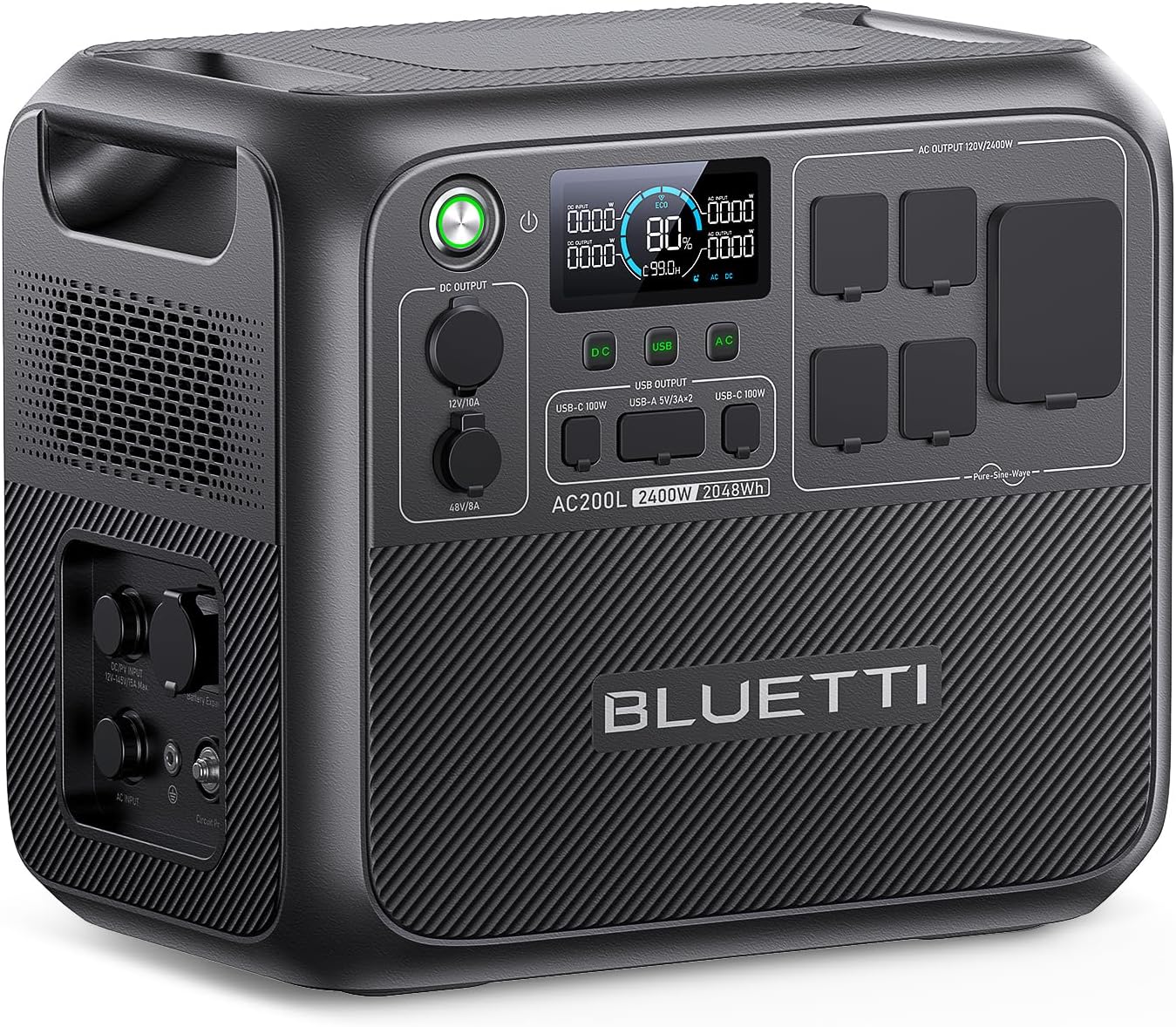
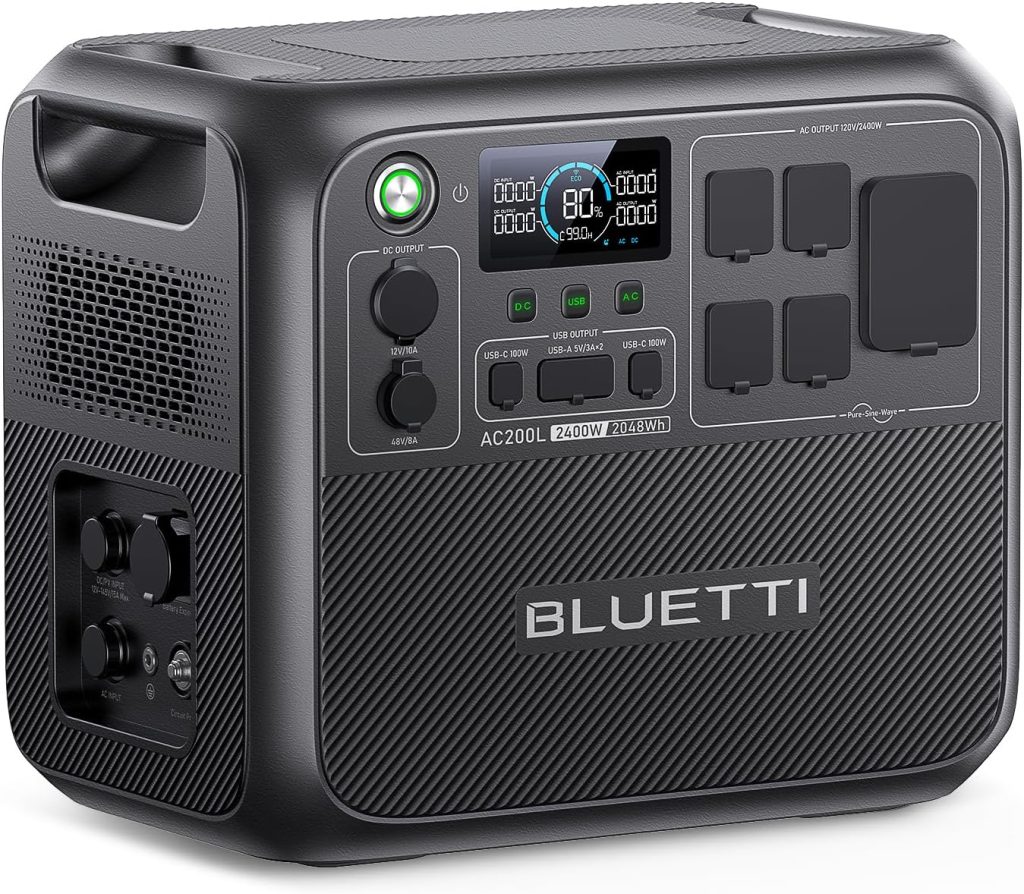
BLUETTI AC200L
2048Wh LiFePO4, expandable. The closest thing to a wall battery in portable form.
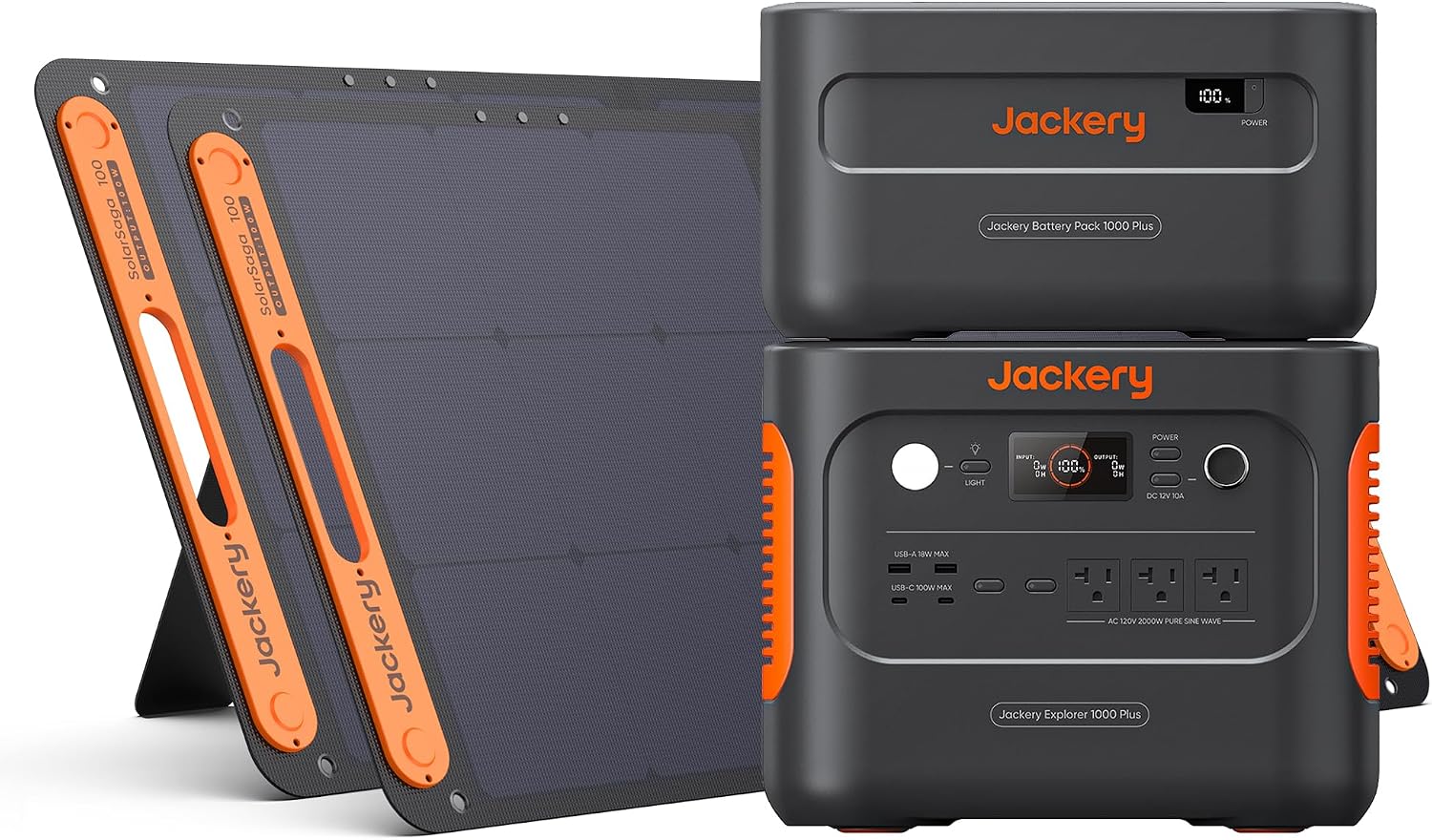
Jackery Explorer 1000 Plus
1000Wh-class benchmark. Proven reliability, strongest resale in the class.
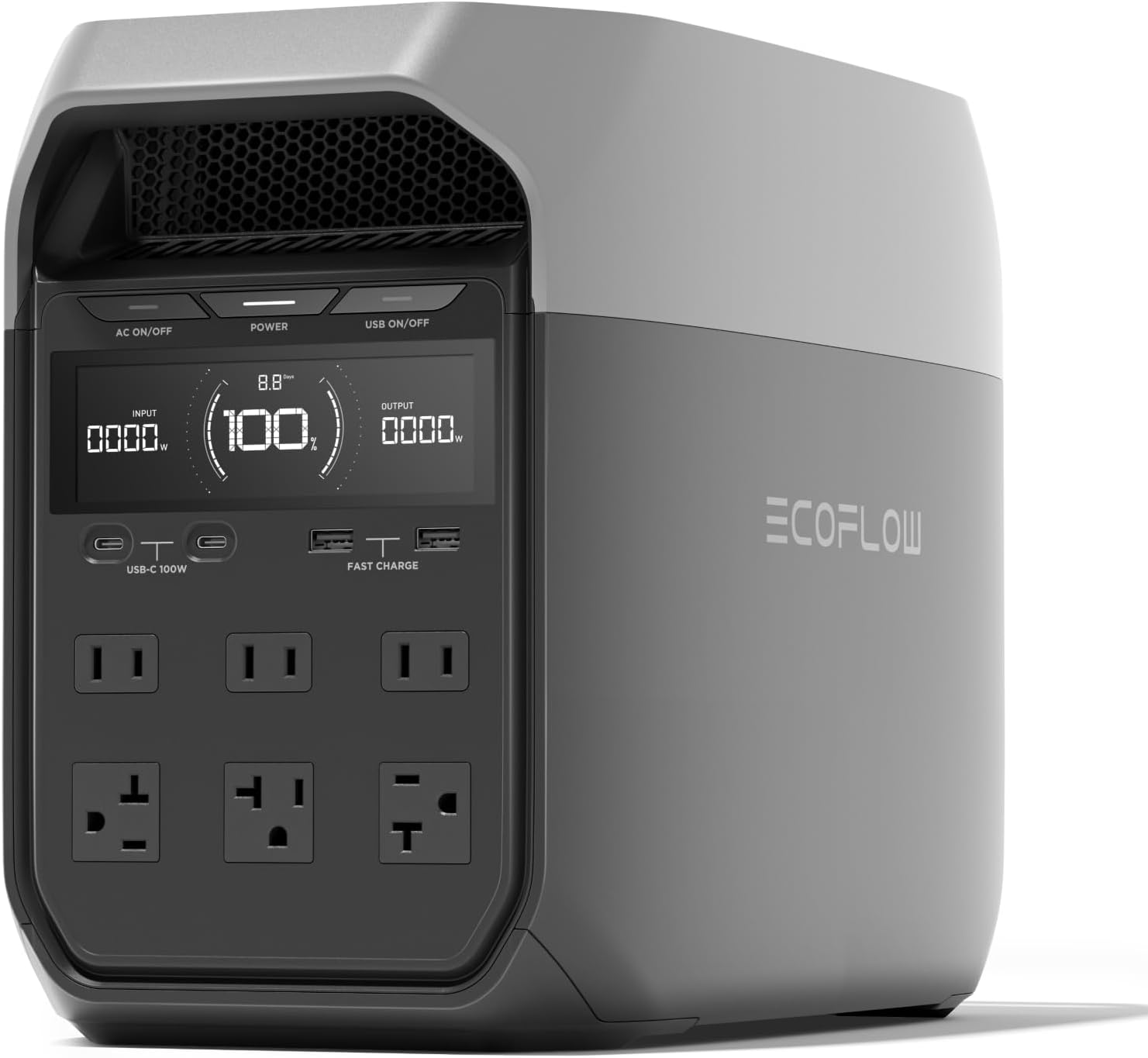
Look at the BLUETTI AC200L if you want the closest thing to a wall battery in portable form — 2048Wh of LiFePO4, expandable, the serious end of portable. Look at the EcoFlow Delta 3 if faster charging and a refined app matter; 1024Wh hits the sweet spot for critical-loads-lite backup. Look at the Jackery Explorer 1000 Plus if you want the established name with the deepest owner community.
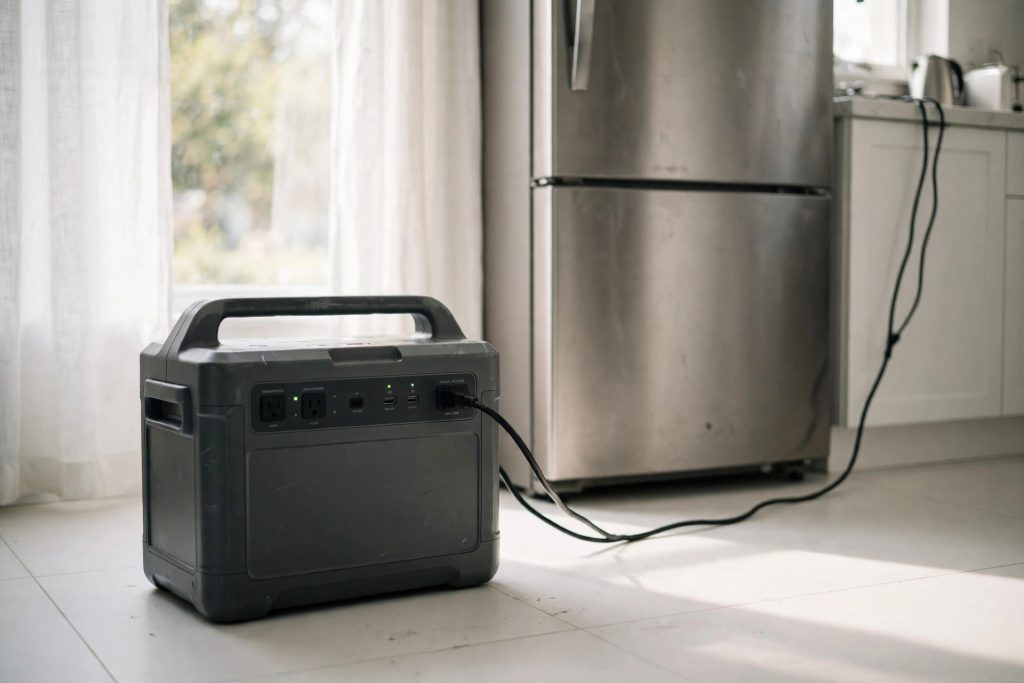
Skip portable entirely if your critical loads exceed 2kW sustained or you need multi-day autonomy. That’s wall-battery territory, and no portable box changes the arithmetic.
My system, for the record: critical-loads panel, timers doing the arbitrage, and a portable station in the utility room for the gap between “outage starts” and “I get the big decisions made.” The spreadsheet’s third version said this was the rational setup. Two years in, the utility bills agree with the spreadsheet. I still check the interval data monthly, out of habit. Some people read novels. I read kilowatt-hours.
This site contains affiliate links. We may earn a commission on qualifying purchases.