This site contains affiliate links. We may earn a commission on qualifying purchases.
Start with the number nobody puts on the big box. Thirty amps. A man buys a generator rated a little over nine thousand watts, wheels it home feeling well covered, and then meets the small gray inlet box that most house hookups are built around, and that box passes thirty amps at two hundred and forty volts, which multiplies out to seven thousand two hundred watts on a good day with the wind behind it. The generator did not shrink. The door into the house is just narrower than the machine, and nearly every argument about how do you hook up a generator to the house is really an argument about that door — what it is allowed to be, who is allowed to fit it, and what happens when somebody builds a door of their own out of a dryer outlet and optimism.
Hooking up, done properly, means the generator feeds circuits through hardware that makes it physically impossible for the house and the street supply to be connected at the same time. That hardware is either a transfer switch, which moves chosen circuits over to generator power on their own breakers, or an interlock, a fitted plate on your own panel that will not let the backfeed breaker and the main breaker be on together. One of the two. There is no third arrangement that an inspector would sign, and the reason is backfeed. Get the switching wrong and the generator pushes power backwards out of the house and onto lines that a repair crew up the road has every reason to believe are dead. People have been killed by exactly that, in exactly that gap between what a homeowner meant to do and what the wiring actually did.
There is a cord with a plug on both ends that turns up in garages after every big storm. It has a name in the trade.
Suicide cord.
Turning the main breaker off and hoping is not a hookup method
The honest answer to the dryer-outlet idea is that the main breaker was never designed to be a transfer device, and your memory during a blackout, in the dark, with a fridge warming up, is not a listed safety component either. A transfer switch or an interlock does the remembering mechanically. The switch holds the circuits it feeds in one of two positions and cannot hold both. The interlock is dumber and I mean that as praise: a sliding plate, a physical block, and if the plate will not move because the main is still on, the argument is over before it starts. When I look at a panel that somebody wants to feed, the first thing I am looking for is which of those two shapes the panel can legally take, because the panel decides. Brand is not enough. The interlock has to be listed for that panel and that cover, and two panels wearing the same badge can take different plates.
The fitting work itself follows a shape that does not change much from house to house. The inlet box goes on an outside wall where the generator will actually sit, which is further from the house than most people picture — twenty feet is the distance the safety guidance keeps coming back to, exhaust pointing away, because carbon monoxide does not care that it is raining and the cord is short. From the inlet, cable runs to the switch or the panel. Then the cord. The twist-lock plug on a thirty-amp cord goes in and turns maybe a quarter turn and seats with a small, definite clunk, and a ten-gauge cord has real weight to it, enough that on a cold morning it handles like a garden hose in January and you dress it in a wide loop rather than the tight coil it arrived in. None of that is the hard part. The hard part was decided earlier, at the panel, on paper.
The thirty-amp ceiling eats big generators quietly
Do the multiplication before you do anything else. Thirty amps times two hundred and forty volts is seven thousand two hundred watts, and that is the whole budget no matter what the generator badge says — the kits are often labelled seven thousand five hundred because the rating is written at two hundred and fifty volts, which buys you nothing at the wall. Step up to a fifty-amp inlet and the same sum gives you twelve thousand watts, at the price of heavier cable, a bigger backfeed breaker and a generator that can honestly fill it. Most houses on a portable machine do not need the fifty. What they need is the load list, written down in daylight, and if you have not done that sum lately, how many watts to run a house walks through why the average draw and the peak draw are two different animals. The average is a kindness. The peak is what trips breakers at two in the morning.
And the budget splits in half whether you watch it or not. A two-hundred-and-forty-volt feed arrives as two legs of one hundred and twenty, and the circuits you care about hang off one leg or the other. Put the fridge, the furnace blower and the well pump controls all on the same side and that leg groans at three and a half thousand watts while the other leg idles, and the generator breaker trips with the machine apparently half loaded. This is why the better transfer kits carry a wattmeter for each leg instead of one dial for the whole box. You balance by moving a circuit, not by buying a bigger generator. Say the fridge draws a hundred and fifty watts running, which is the figure people quote at me. Actually, no. Running draw is the comfortable lie. The start surge is the number that matters, three to five times higher for a second or two when the compressor kicks, and a leg that looked fine on paper finds that out all at once when the furnace blower starts in the same second.
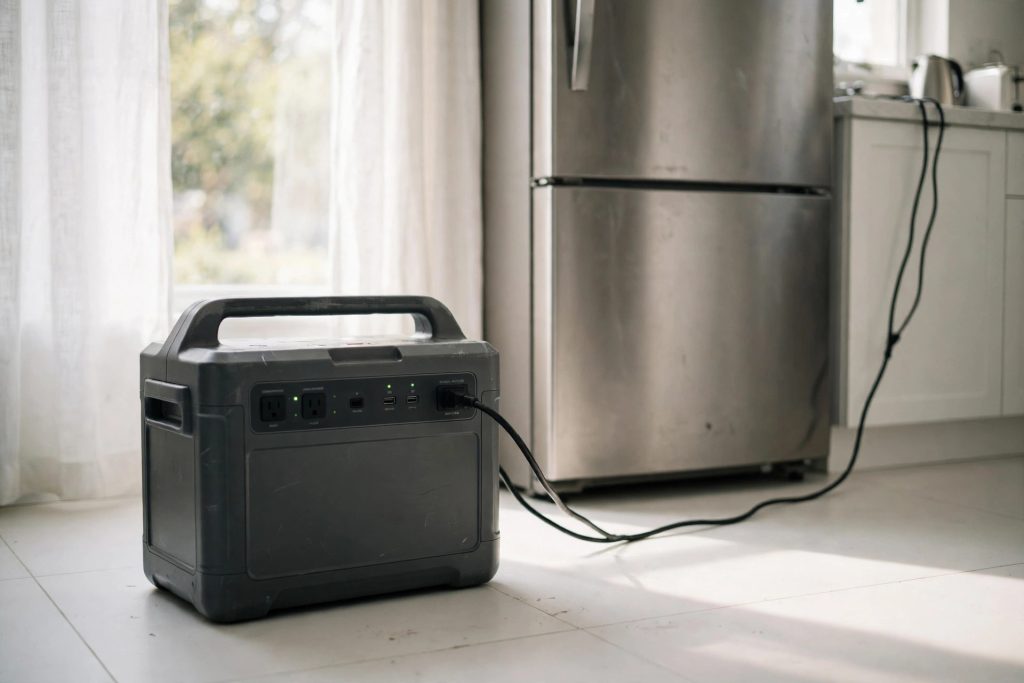
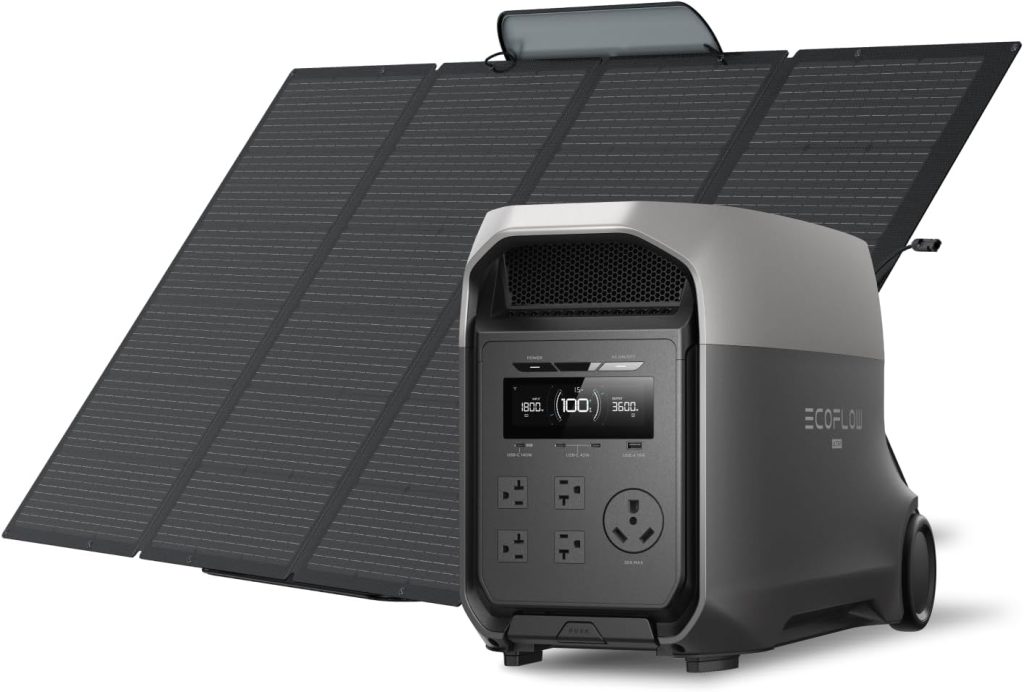
Battery boxes walk through the same door, by the way, and the door does not care what made the power. A large power station with a two-hundred-and-forty-volt output can feed an inlet and a transfer switch exactly the way a fuel generator does, which is the arrangement tested in our Jackery Explorer 5000 Plus smart transfer switch review, while a station that only makes one hundred and twenty volts will only ever wake half the panel and none of the two-forty loads. A standby unit is the other end of this same road — the Generac 14kW home standby generator skips the cord entirely with an automatic switch, and pays standby money for the privilege. The manual gear in the middle is where most houses honestly live.
Three Pieces of Hardware That Make the Hookup Legal
A switch that remembers for you, a plate that argues with the main breaker, and the cord-and-inlet pair that joins them.
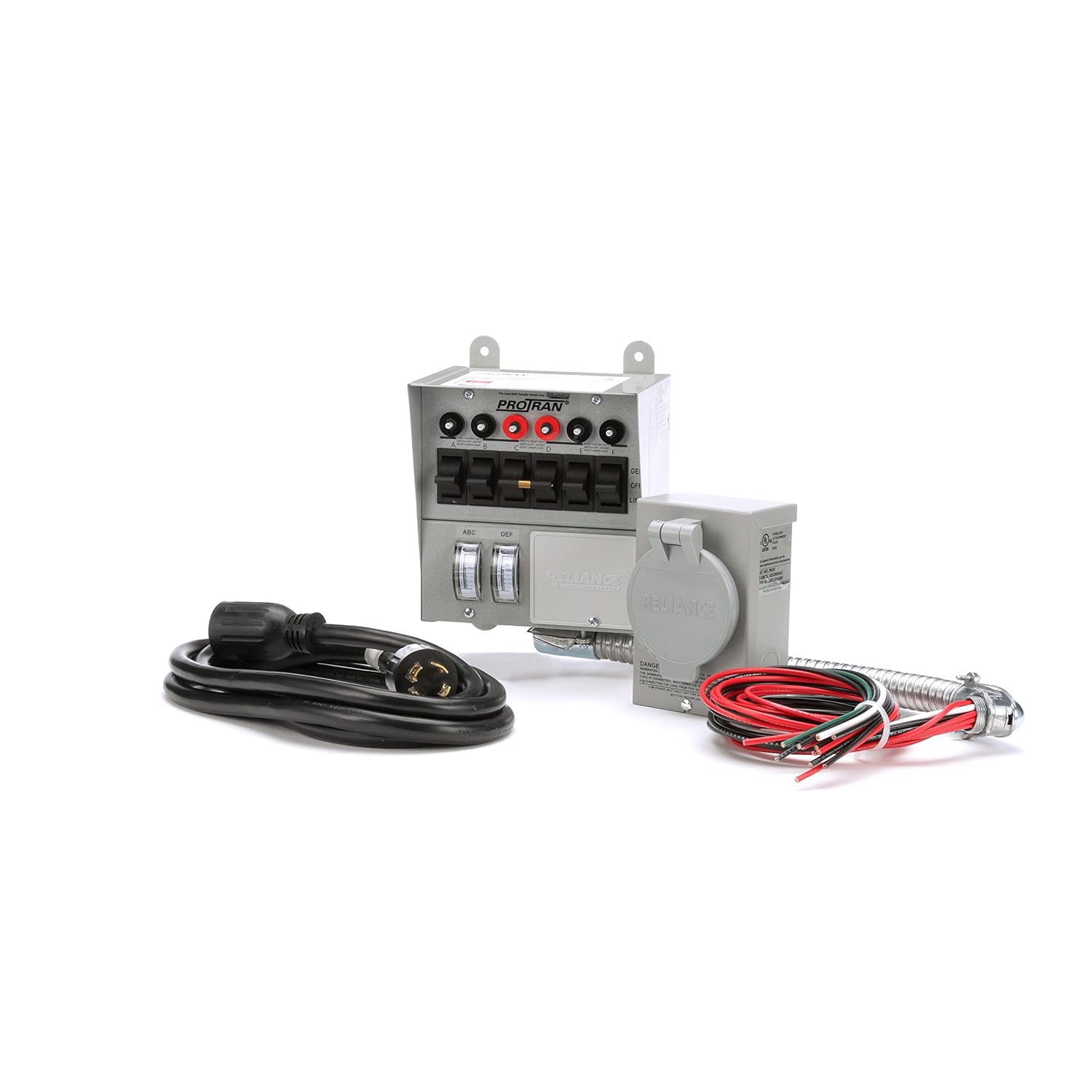
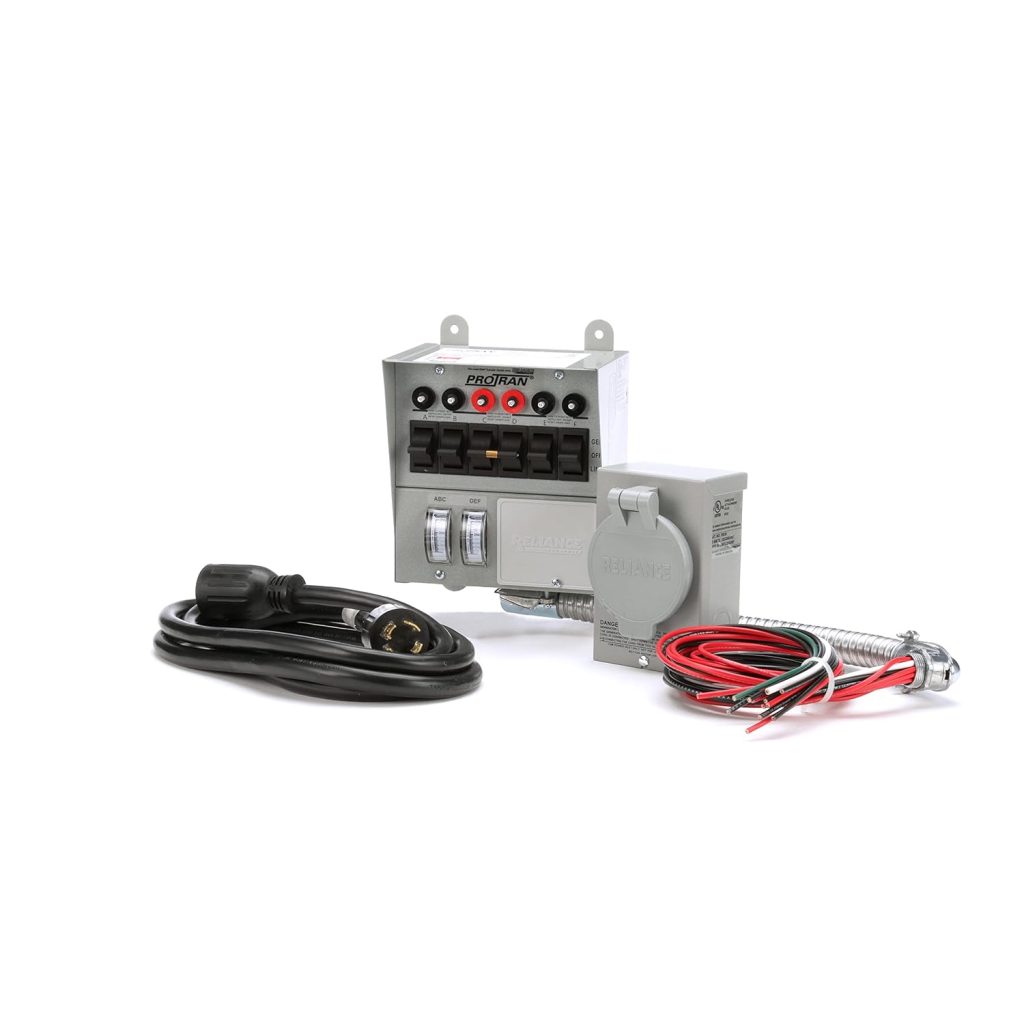
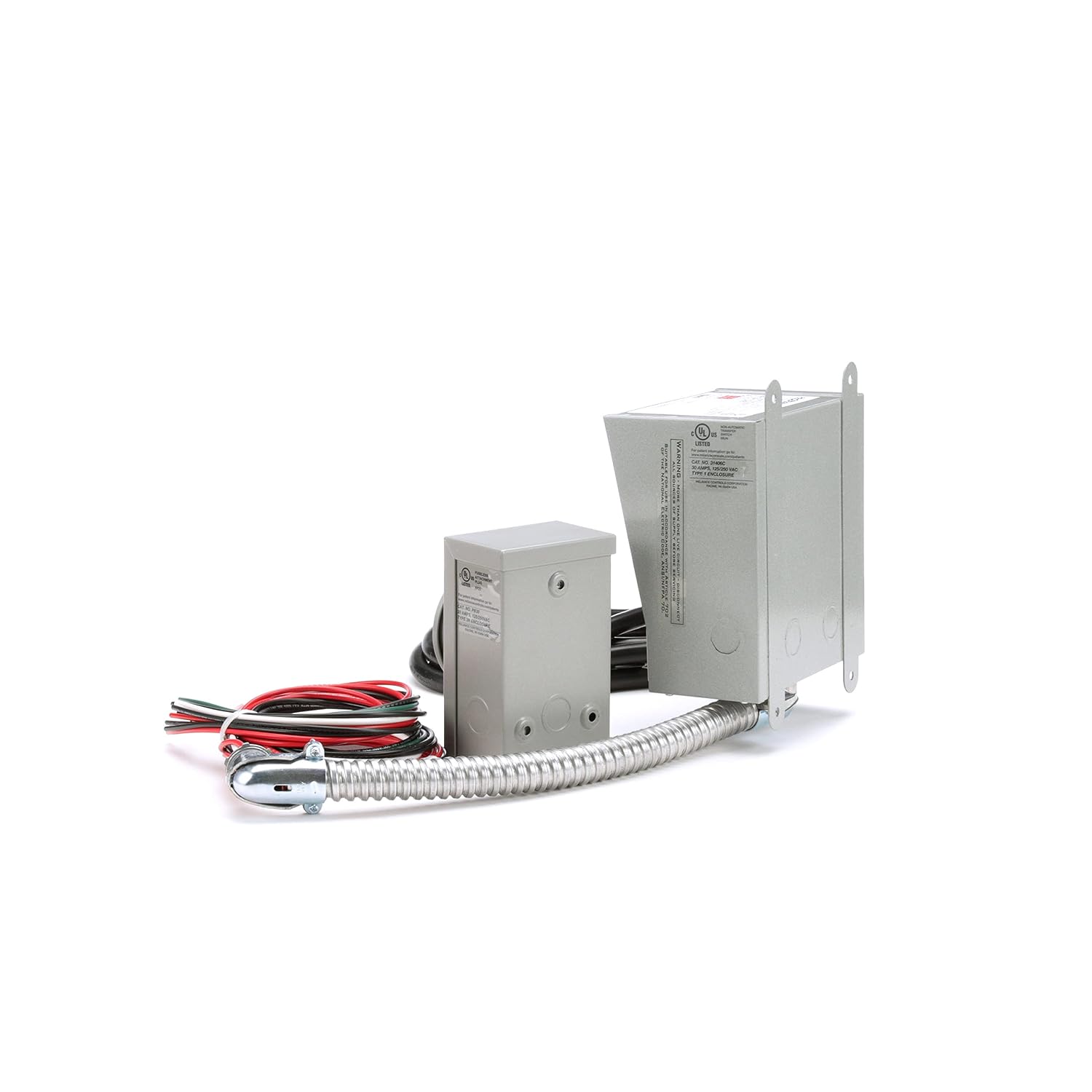
Reliance Controls 31406CWK Transfer Switch Kit
Six circuits at 30 amps and 7,500 watts with an inlet box, a 10-foot cord and a wattmeter for each leg, rated 4.7 stars across 1,711 ratings; the wiring inside it is a real afternoon, not a plug-and-play promise
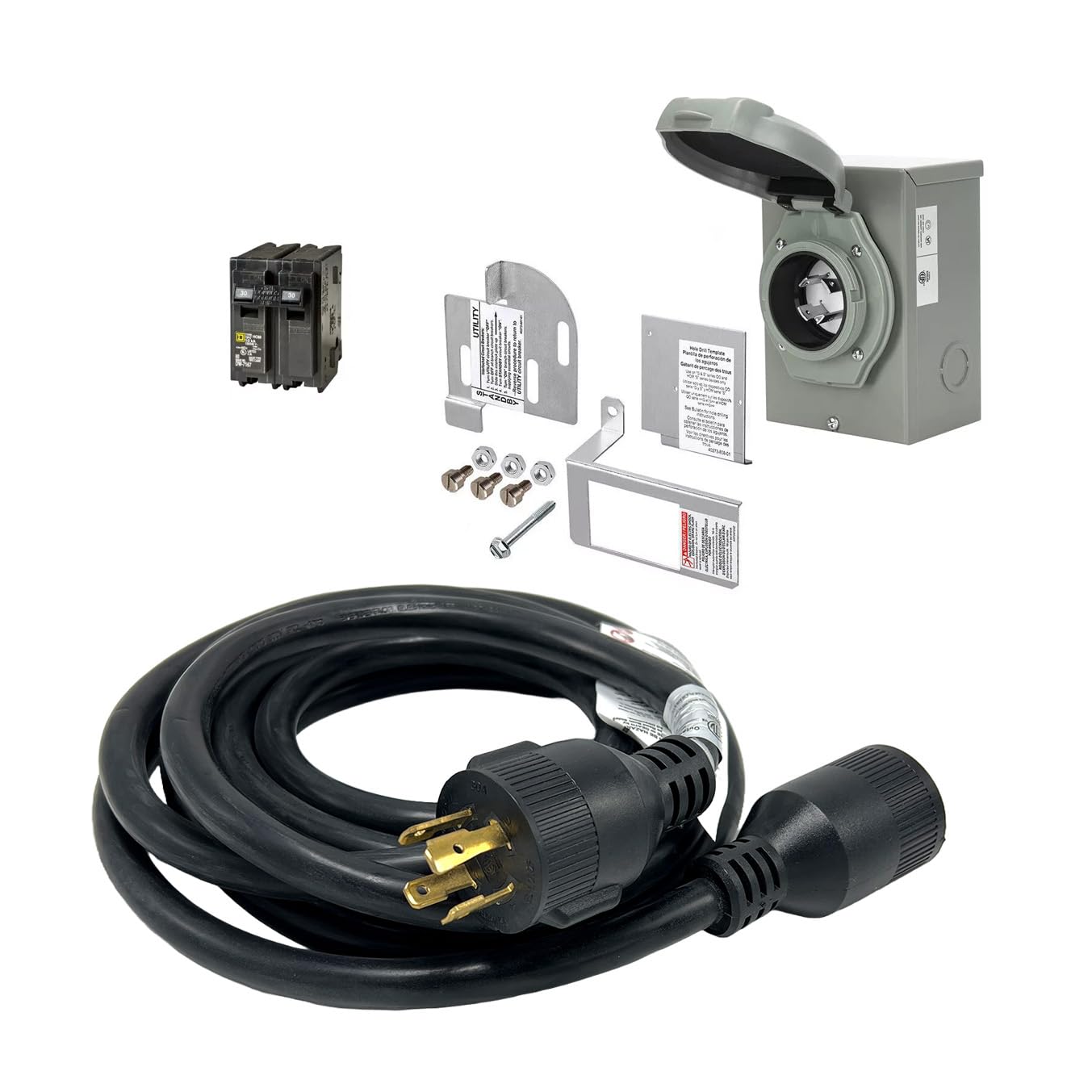
Generator Interlock Kit for Square D Homeline
Cord, inlet box, 30 amp breaker and interlock plates for Homeline 150 to 225 amp panels, rated 4.8 stars across 51 ratings; that thin a record means the panel match matters more than the stars — it fits the named panels and no others
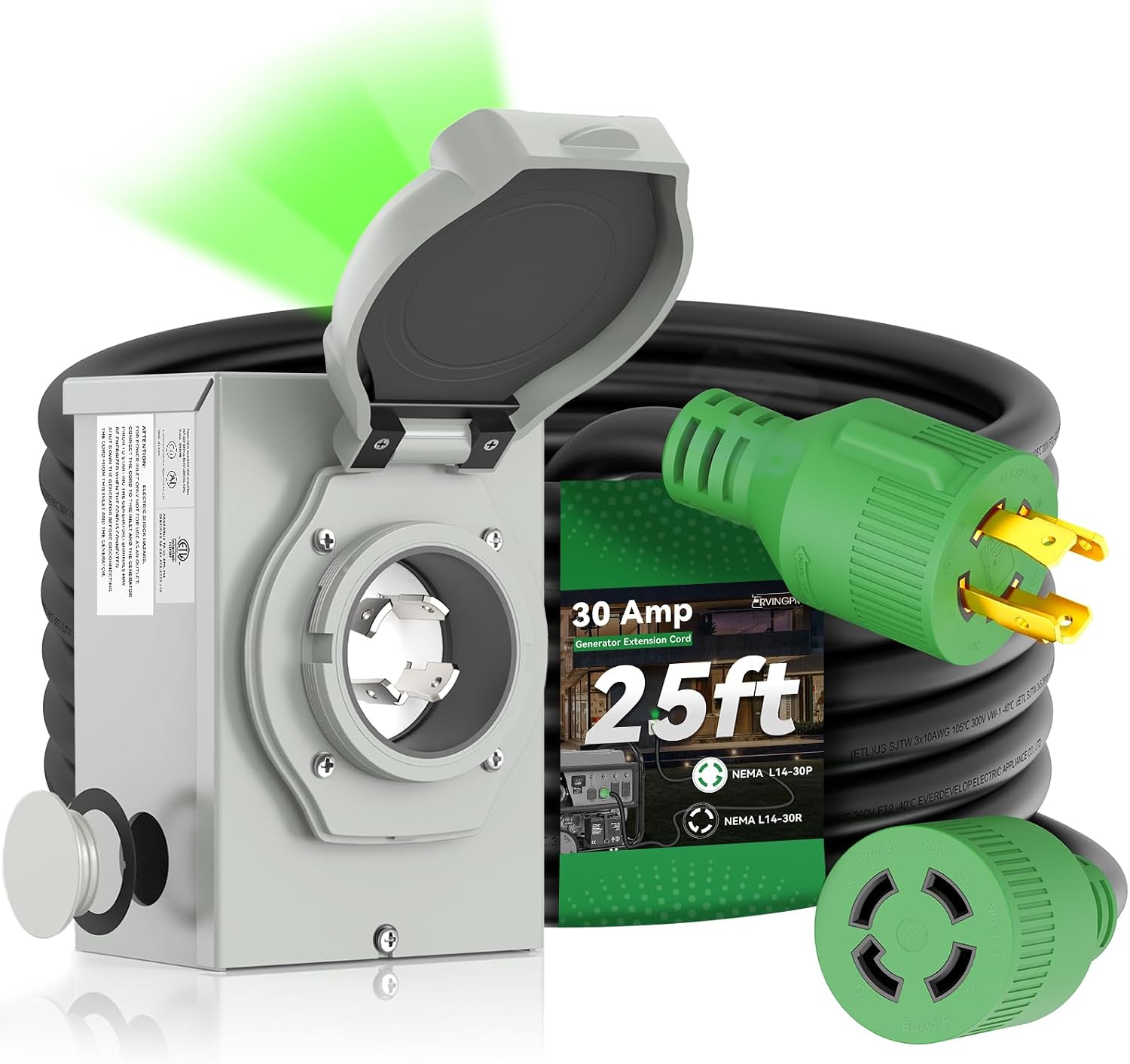
RVINGPRO 30 Amp Generator Cord and Inlet Box
25-foot L14-30 cord and a pre-drilled inlet box, ETL listed, rated 4.8 stars across 722 ratings; this is the cord and the door only — it still needs a transfer switch or interlock behind it to be a hookup
This site contains affiliate links. We may earn a commission on qualifying purchases.
The neutral question, the one the box copy walks past
Here is the part that generates the confused forum posts at midnight. Some portable generators bond their neutral to the frame at the factory. Some float it. Your house already bonds neutral to ground once, at the service, and it wants that bond in exactly one place. Feed a bonded-neutral generator through a transfer switch that does not switch the neutral and you have built a second bond, and the current finds both paths, and ground fault outlets start tripping for reasons that look haunted until somebody reads the generator manual’s wiring page instead of its cover. Feed a floating-neutral machine into a setup that expected the generator to supply the bond and you have the opposite ghost. Neither fault is in the switch. The mismatch is. I cannot tell you from here which way your machine is bonded — that one genuinely depends on the model on your garage floor, and the manual states it in a single line that most owners never reach. Read the line before you choose the switch, not after the first trip.
The ratings pattern on the hookup hardware tells a similar story if you read the tails instead of the stars. I went through four listings for this gear today and counted seven thousand six hundred and ninety-seven ratings between them. The plain inlet box, the simplest object in the whole chain, sits at four point eight stars across five thousand two hundred and thirteen ratings with a one-star share that rounds to nothing. The full six-circuit transfer kit, the one with actual wiring judgement inside it, sits at four point seven across one thousand seven hundred and eleven ratings and carries the only visible one-star tail of the group, about two percent, and the complaints in that tail are about connections and fitting, not about the concept. The interlock route also shows four point eight, but on fifty-one ratings, which is a rumour rather than a record. Hardware is easy to love. Installation is where the stars go to die.
Questions that come in once the panel cover is back on
Can I plug the generator into the dryer outlet if I switch the main breaker off first?
No. A cord with two plug ends leaves live prongs exposed, the main breaker is not a transfer device, and the arrangement relies on nobody in the house flipping the wrong switch in the dark. Beyond your own walls, a mistake can put power onto lines that repair crews are treating as dead. The accepted routes are a transfer switch or a panel-listed interlock with a proper inlet box, and in many places the work needs a permit and an inspection on top.
My generator says 9,500 watts. Why does every hookup kit I find stop at 7,500?
Because the kit is built around a thirty-amp inlet, and thirty amps at two hundred and forty volts is seven thousand two hundred watts, with the seven thousand five hundred figure coming from the rating written at two hundred and fifty volts. The generator’s surplus does not push through a smaller door. If you truly need more than that ceiling, the step is a fifty-amp inlet, heavier cable and a larger backfeed breaker, which together pass twelve thousand watts — and most load lists, honestly written, fit under the thirty-amp ceiling once the two-forty loads are chosen with some discipline.
The hookup works, but the ground fault outlets keep tripping on generator power. Is the switch wired wrong?
Probably not, and the usual suspect is the neutral. Many portable generators leave the factory with the neutral bonded to the frame, while your house already has its neutral-to-ground bond at the service. A transfer arrangement that does not switch the neutral can then give fault current two paths to travel, and ground fault outlets respond by tripping. The fix depends on the generator model and the switch type — some switches are built to switch the neutral, some setups call for the generator bond to be addressed — and it is a manual-and-electrician conversation, not a trial-and-error one.
Can a big battery power station hook into the house the same way?
Yes, through the same inlet box and transfer hardware, because the panel cannot tell what produced the power. The limits are output and voltage. A station has to offer a two-hundred-and-forty-volt outlet to feed both legs of the panel, a one-hundred-and-twenty-volt-only station wakes just half the circuits, and the runtime maths is harsher than with fuel — a three thousand six hundred watt-hour station empties in about an hour at full draw. Treat it as a quiet bridge for the fridge, the router and the lights, and it is a good one.
The photograph still sitting on my phone is of a panel label, taken at an angle, half in shadow, because the owner wants the interlock answer before the next storm and the plate depends on the exact cover number printed in the line I cannot quite read. I have asked for a straighter photograph. Until it arrives the generator at that house stays on extension cords through a cracked window, which works, and which everybody in that kitchen is tired of, and the kit sits in its box by the panel with the seal unbroken.