This site contains affiliate links. We may earn a commission on qualifying purchases.
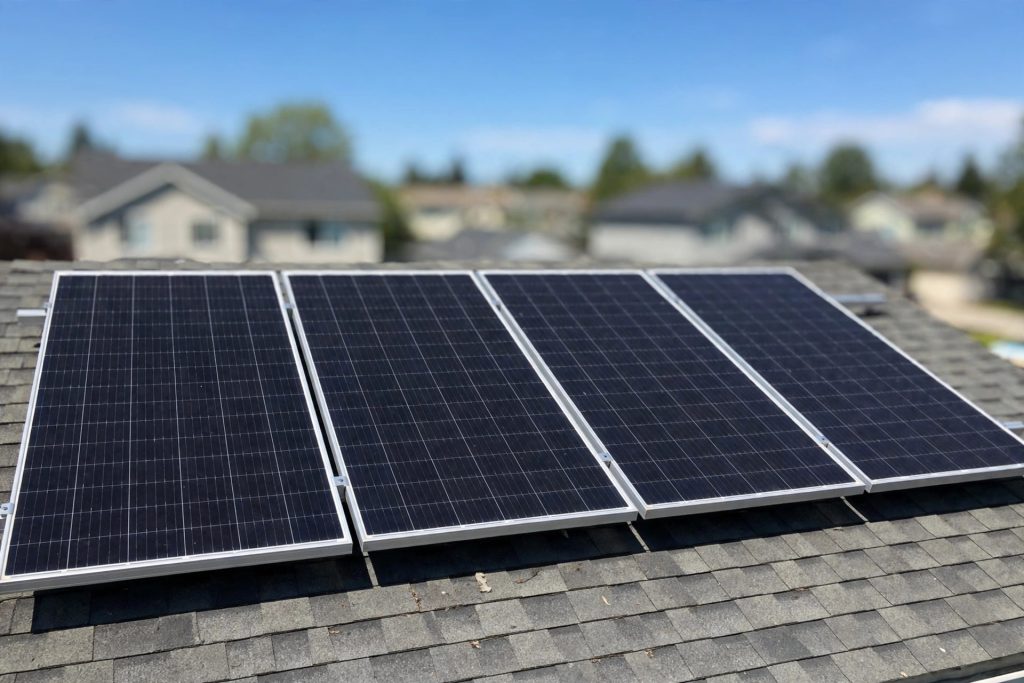
The permission to operate email for my system landed on a grey morning in February, eleven weeks after I had signed the contract in November. The crew had been on the roof for two days back in January. The other nine weeks and change were drawings, a permit queue, an inspector with a clipboard, and a utility portal that said pending for so long I stopped checking it daily and went back to checking it weekly, which is how I found the email a day late.
First full day of production was 11 kilowatt-hours. Nothing special. The same array made 31 on a clear day the following July, and I remember staring at both numbers and working out that the February day was not the system failing, it was the calendar doing exactly what the proposal’s monthly table said it would do, a table I had skimmed past on my way to the annual total.
That is the whole timing question in one pair of numbers, really. When is the best time to install solar panels? The install date matters far less than the switch-on date, and the switch-on date is set by paperwork queues that run backwards from whenever you sign. Sign in November and the slow machinery delivers you a live system at the end of winter, pointed at the long days. Sign in June, when the electric bill scares you into action, and the same machinery delivers you a live system in late summer, just as production rolls downhill.
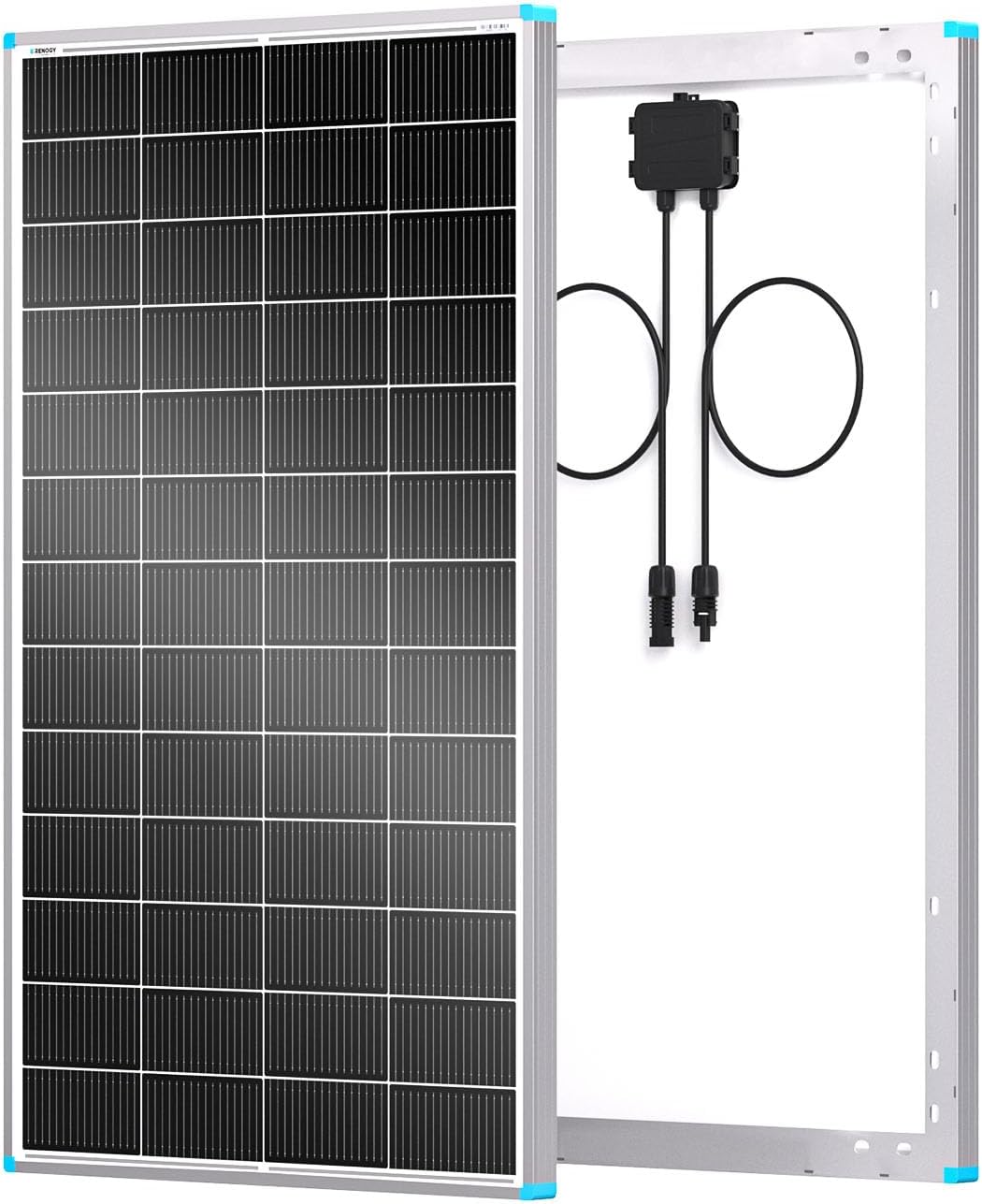
Start from the day you want power, then count backwards
Marketplace timeline data puts the ordinary residential run at about 60 to 90 days from signed contract to permission to operate, and installer-reported figures stretch to four or five months when demand piles up or a panel upgrade joins the job. The roof work inside that span is one to three days. Everything else is a queue wearing a hi-vis vest: a site survey and design in the first week or two, permit review that runs anywhere from days in towns using automated permitting to four, six, eight weeks in backed-up ones, an inspection slot a week or two out, then the utility taking one to six weeks to grant permission to operate and sort the bidirectional meter.
None of those queues shrink because you are in a hurry. They shrink, a little, in the months when fewer people are standing in them, which is the part of the timing answer nobody puts on a billboard. A contract signed this month is walking into the emptiest queues of the year. The design team is not triaging forty other frightened bill-payers. The permit office is not working through a spring backlog. Your project is, for once, the interesting one on somebody’s desk.
Work it forwards with dull honesty and a November signature lands the inspection around the turn of the year and the switch-on somewhere in late January or February for a straightforward roof, later if your utility is slow or your service panel needs upgrading first. Sizing belongs inside that same window, not after it, because the crew cannot order modules against a guess. The arithmetic that turns twelve months of bills into a panel count is the same arithmetic in our guide to how many solar panels you need for your home, and it takes an evening, not a season. People lose more production to a slow signature than to any winter cloud.
Winter makes less power, and the proposal already knows it
At mid-latitudes a roof array makes roughly 40 to 60 percent less energy in December and January than it does in June and July, and the single best month of the year commonly delivers two to two and a half times the single worst month. Short days do most of that damage. The sun is up for eight hours instead of fifteen, it crosses low, and weather sits on the glass. None of this is a defect in your system. It is the shape of the year, and any proposal worth reading prices it in month by month instead of hiding behind the annual average.
Cold itself is not the enemy people assume. Module output falls by roughly 0.3 to 0.5 percent for every degree Celsius the cells run above 25, which is the rating temperature, so a bright freezing morning can briefly out-produce a hazy hot afternoon watt for watt of light, even while the short day loses the total badly. Snow is ruder and simpler. Covered glass makes nothing until it sheds, and tilted dark panels shed faster than owners fear, usually. My own northern-roof snow record is secondhand, from a brother-in-law and his roof rake, and I have not lived that version myself, so take my shedding optimism as a mild-climate opinion wearing boots it did not earn.
The derating habit is worth learning before the big array arrives, and a small kit teaches it cheaply. A maker rates a starter kit at an average of 500 watt-hours a day, and the fine print ties that figure to five hours of direct sun. Five peak sun hours is a kind spring day. A December day at my latitude offers closer to two, so the honest expectation for the same kit is nearer 200 watt-hours, enough for lights and phones and not much pride. Same panel. Same wiring. The sky just pays a different hourly rate, and once you have watched a small panel live through that arithmetic, the big proposal’s winter column stops looking like a misprint.
Plugging in the solar input on my test panel last winter, the connector felt fine at noon and loose by dusk. Wind had walked it halfway out of its socket over the afternoon, and the input wattage had sagged with it, quietly, no alarm, no error code, just a day of charging that never quite happened. Roof strings are locked down properly by people with torque specs and no reason to hurry in February. Ground-level experiments are where the sloppy connections live. Check yours twice.
The December stampede is over, and the quiet months pay in a different currency
For years the timing answer had a hard edge on it, because the federal residential credit paid 30 percent on systems completed by December 31 and every installer in the country ran a year-end stampede to match. That credit ended for homeowner-owned systems installed after December 31, 2025. In 2026 there is no federal cliff to race, which quietly changes what best means. Best is no longer beat the deadline. Best is pick the queues you want to stand in, a change I worked through in the state-by-state math in are solar panels worth it in my state, where your rate turned out to matter more than your sunshine anyway.
What the quiet season pays is attention and schedule, not a guaranteed discount, and I want to be careful here because an earlier draft of this section in my own notes promised winter savings I cannot back. Actually, no. The honest version is narrower. Prices move with module costs and local competition all year, and some winters they fall and some they do not. What reliably changes is capacity. One national marketplace has said its energy advisors field about half as many calls in winter as in summer, installers quote faster, site visits happen sooner, and the person designing your array has an afternoon to notice the vent pipe that ruins a string layout instead of noticing it from the roof. That kind of attention does not show up as a line item. It shows up five years later as a system that never had the dumb problem.
The slow months also sort the installer list in a way the busy months hide. A company that answers the phone in November, returns the revised drawing in days, and talks plainly about its backlog is showing you its ordinary self. The same company in the June stampede is showing you its worst week. Since the warranty you are buying is only as durable as the firm behind it, the lesson of what happens when a solar installer goes out of business applies double to a decision made in the quiet season, when you actually have time to check who has been on the same street, under the same name, for ten years.
Use the waiting weeks like they cost money, because they do
Here is the thing nobody budgets for. A signed contract buys you two to three months of owning no solar at all, through some of the most expensive electricity weeks of the year, and the wait feels longer if the house is dark at 5 p.m. anyway. I filled my own waiting weeks with measurements and one small box by the back door, and both turned out to be worth more than the brooding.
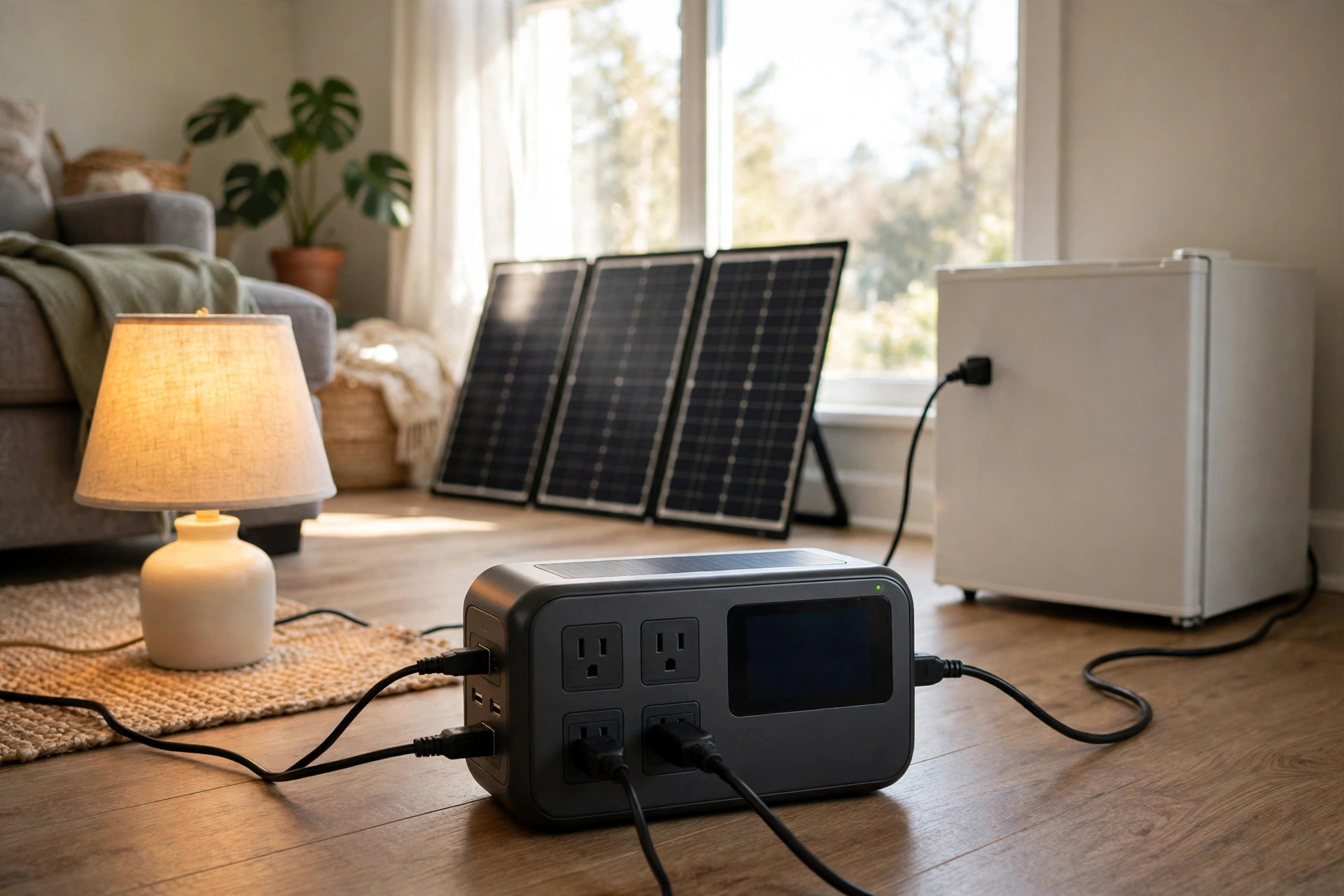
The box was a 1kWh-class portable station, the size that runs a fridge through a night or a router through a long weekend, and its job during the wait was outage insurance rather than savings. Review patterns since then have kept me from regretting the category. On one national farm retailer’s page, checked on November 2, the current 1024Wh model in that class sat at 4.9 stars across 430 reviews, with 381 of them five-star and exactly one rated below four stars, a complaint tail so thin it mostly argues the boring units are the ones people keep. Boring is the entire job description for a box that waits in a hallway.
One caution rides with any station that waits for a living. An inverter left switched on sips power doing nothing, a few watts to a few dozen depending on the unit, and across a month of standby that sip can eat a visible slice of a small battery. Turn the AC section off when the box is just stored. The same tax, scaled up, is why a roof proposal’s winter column and a hallway battery’s December are cousins. Everything idles. Everything leaks a little. The annual numbers only work if the idle hours were counted too.
The panel I paired with it taught the other half of the lesson. Independent testers measured a current 220W folding panel at an average of 193 watts in their line-up, about 88 percent of the number on the box, the strongest raw output they recorded and still not the number on the box. Plan winter charging off the measured figure, then knock off the season’s short days, and a folding panel in December is a phone-and-lights tool that occasionally surprises you at noon. Peering into the station’s vents with a flashlight after one dusty trip, I could see the grey film starting on the fan blades already. No filter. Just open vents and a reminder that gear bought for the wait still needs a wipe before it needs replacing.
Gear for the Waiting Weeks
Three small purchases that teach the season’s math and cover the house while the permit queue does its slow work.
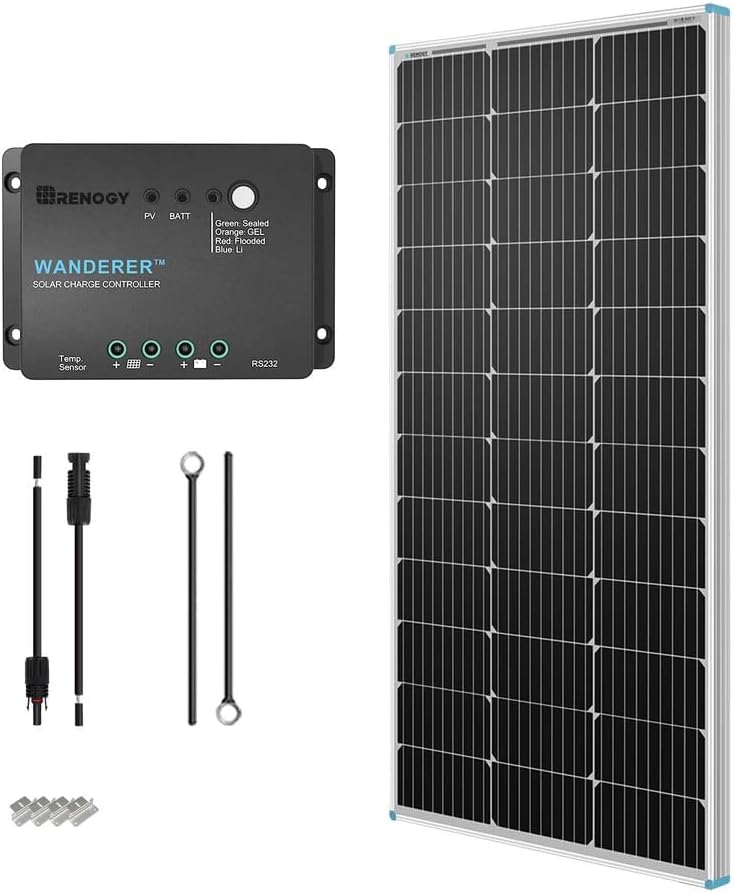
Renogy 100W Solar Starter Kit
One rigid 100W panel with a 30A PWM controller, cables and mounts; the maker rates it at an average of 500 watt-hours a day under five hours of direct sun, which makes it a cheap instrument for watching that figure fall toward 200 on a short December day
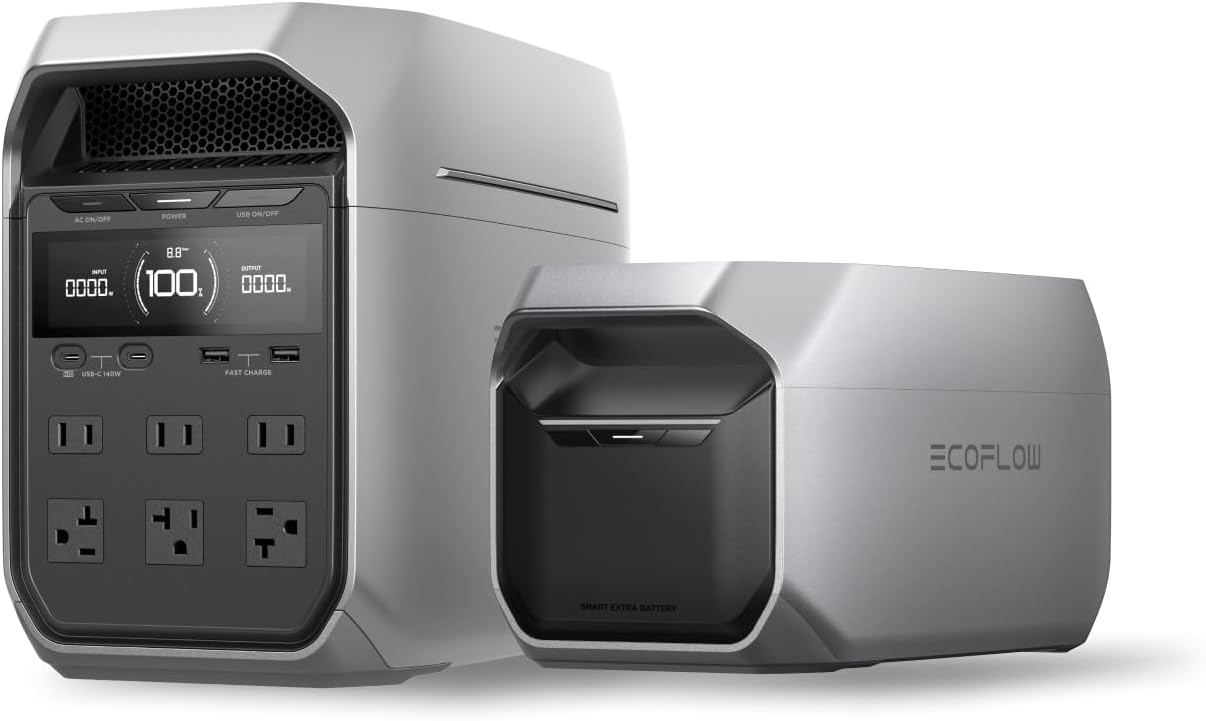
EcoFlow DELTA 3 Plus (1024Wh)
1024Wh of storage with 1800W output for a fridge, a router and lights while the roof project queues; on one national farm retailer’s page checked November 2 it held 4.9 stars across 430 reviews, 381 of them five-star and a single one below four stars
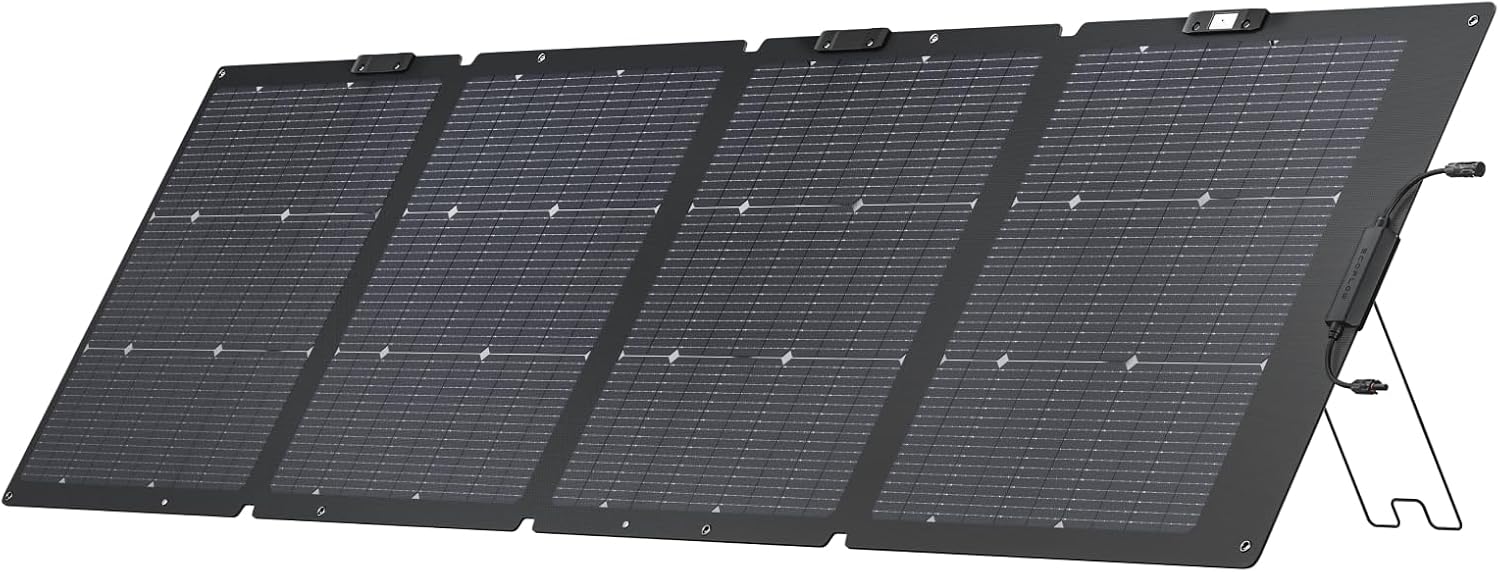
EcoFlow 220W Bifacial Portable Solar Panel
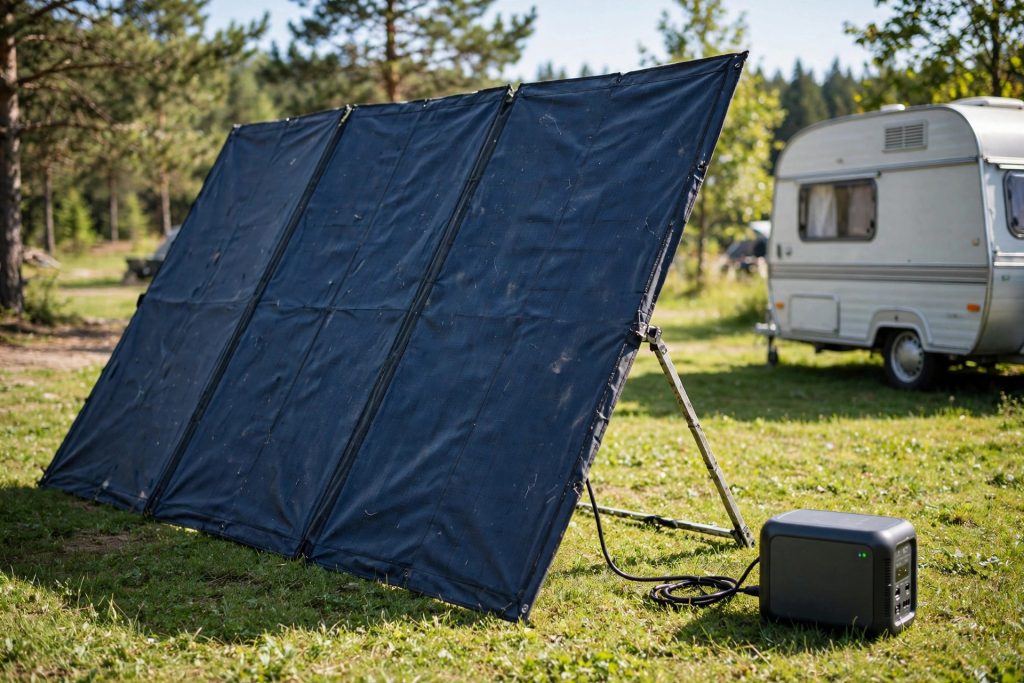
A folding bifacial panel for keeping a station fed through short days; independent testers measured an average of 193 watts from it, about 88 percent of its rating and the strongest raw output in their folding-panel line-up, so plan winter days off the measured figure
This site contains affiliate links. We may earn a commission on qualifying purchases.
Frequently asked questions
If I sign in November, when do the panels actually switch on?
Plan on late January to February for a straightforward roof, with the understanding that your utility writes the last date, not your installer. The physical work takes one to three days somewhere in the middle of that span, and the rest is permit review, an inspection slot, and the utility’s permission to operate, which alone runs one to six weeks depending on the territory. A service panel upgrade or a roof repair discovered at survey adds its own weeks in front of all of that. Anyone who promises you a switch-on date in the first phone call is selling, not scheduling.
Do panels installed in winter produce anything worth counting?
Yes. A mid-latitude array typically makes 40 to 60 percent less in December and January than in midsummer, which still leaves a 7kW system producing a few hundred kilowatt-hours across a winter month rather than nothing. Cold bright days are efficient per hour of light, since module output drops as cell temperature climbs above its 25 degree rating point, and the shortfall is a day-length problem more than a temperature problem. The year’s total is the figure that pays the loan, and the winter slice of it is small, regular, and already sitting in any honest proposal’s monthly table.
Is there still a December deadline I should rush for in 2026?
No federal one, not for a system you buy and own. The 30 percent residential credit ended for installations completed after December 31, 2025, so a December rush in 2026 buys you a busy installer and a stressed permit office in exchange for nothing at the tax office. State and utility programs keep their own calendars and some do close when budgets run dry, which is worth one check on your state’s program database before you relax completely. A lease or power purchase agreement follows different rules again, since the owning company claims the credit there, and the paperwork deserves a slow read for that reason alone.
My roof covering has maybe four good years left. Does that change the timing?
It changes the order of the jobs, which is stronger than changing the season. Panels come off and go back on for a re-roof at a cost that eats a year or more of production value, so a covering with four years left gets replaced first or folded into the same project, and the array goes on top of the new surface where it can sit undisturbed for its full working life. Installers handle the combined job routinely. What they cannot do is make the unbolt-and-refit bill disappear later, and it has a way of arriving in the same year as something else expensive, in my experience of roofs generally.
The quotes I got in spring were all close together. Will winter quotes be cheaper?
Not in any way you can schedule around. Module prices drift with the wider market all year and a quiet-season quote can land higher than a spring one if panel costs moved in between, which they do. What winter reliably offers is a faster survey, a designer with time to catch the awkward vent and the shaded corner, and a permit queue measured in days where spring measures it in weeks. I priced my own expansion array twice last year, spring and late fall, and the fall number was lower by less than the cost of the dinner I ate celebrating it. The drawing was better though. The drawing is still on the fridge, unsigned, while I decide whether the garage string earns its keep.