Shoppers comparing solar batteries usually hit the same wall pretty fast — a standalone lithium battery looks simple on a listing page, yet the wiring, charging, and inverter choices around it decide whether the setup actually works. This guide uses the LiTime 12V 100Ah LiFePO4 battery as the reference point for that decision, weighing it against a lead-acid deep-cycle battery and against an all-in-one power station. Readers building a DIY system for a van, RV, small cabin, or tent-camping power box should find a clear answer here, without the usual spec-sheet fog.
Quick Answer
A standalone 100Ah LiFePO4 battery like the LiTime makes sense for DIY solar and RV builders who already own, or plan to buy, panels plus an inverter and a lithium-compatible charger. Anyone who wants plug-and-play AC power straight out of a box will find a power station simpler, tidier, and honestly less frustrating.
Top 3 Solar Batteries for Camping
Same 100Ah class — three builds, different monitoring and footprints.
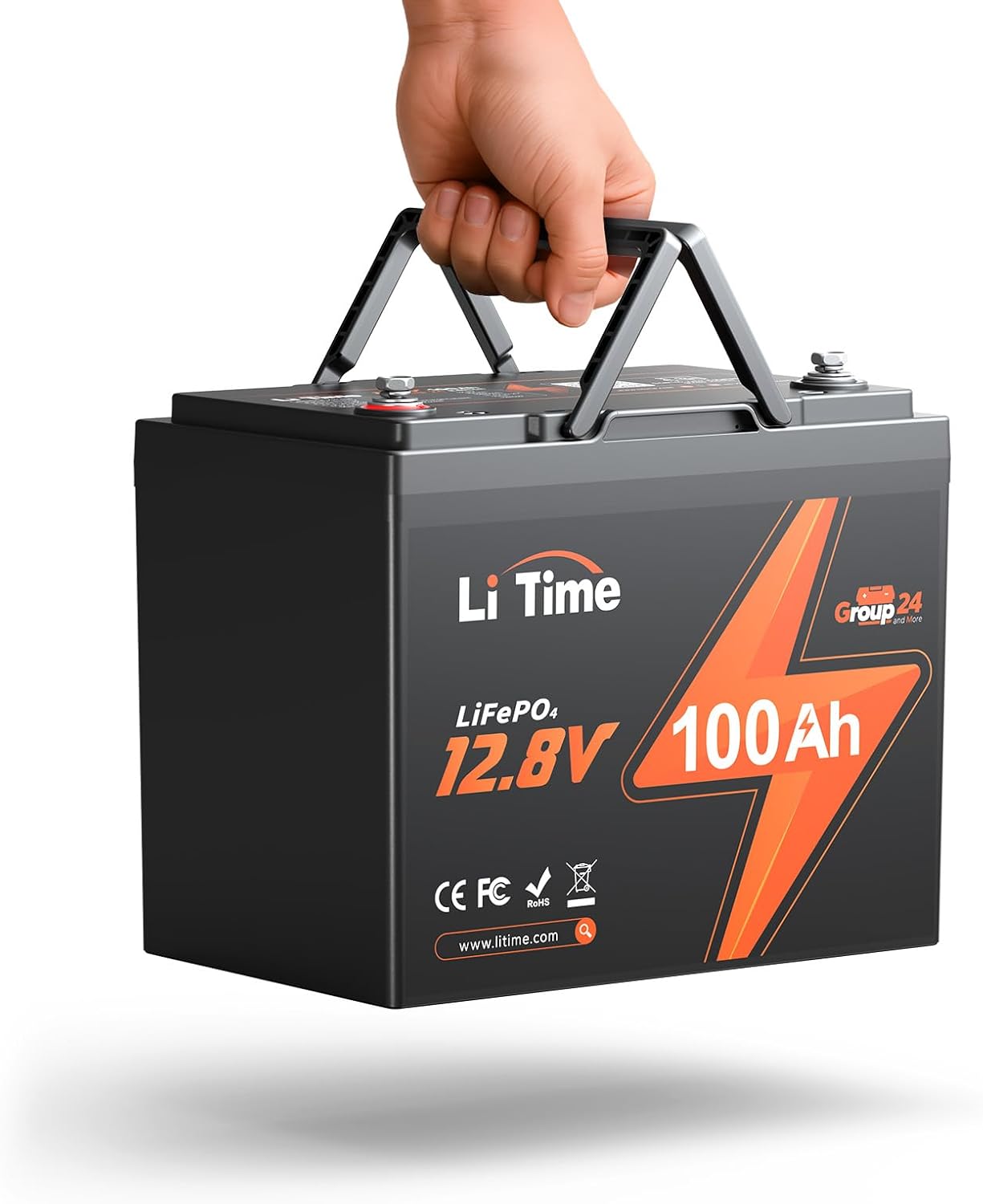
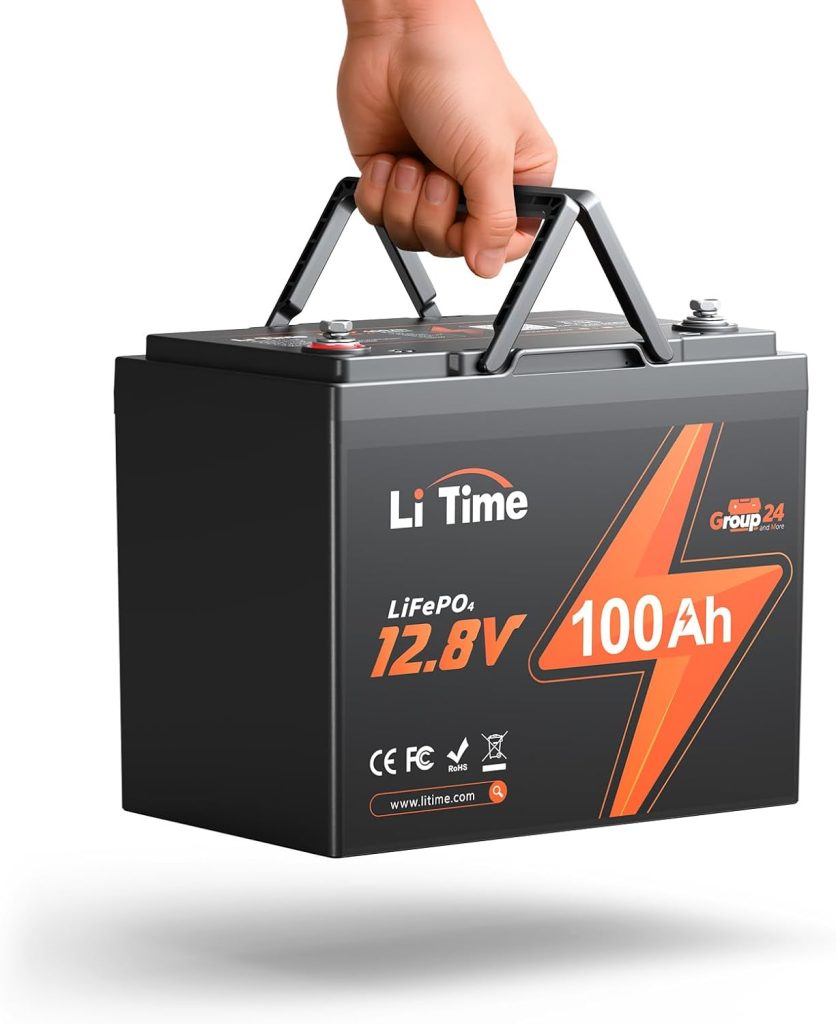
LiTime 12V 100Ah LiFePO4
Compact Group 24 footprint + low-temp protection — the balanced default for RV and van builds
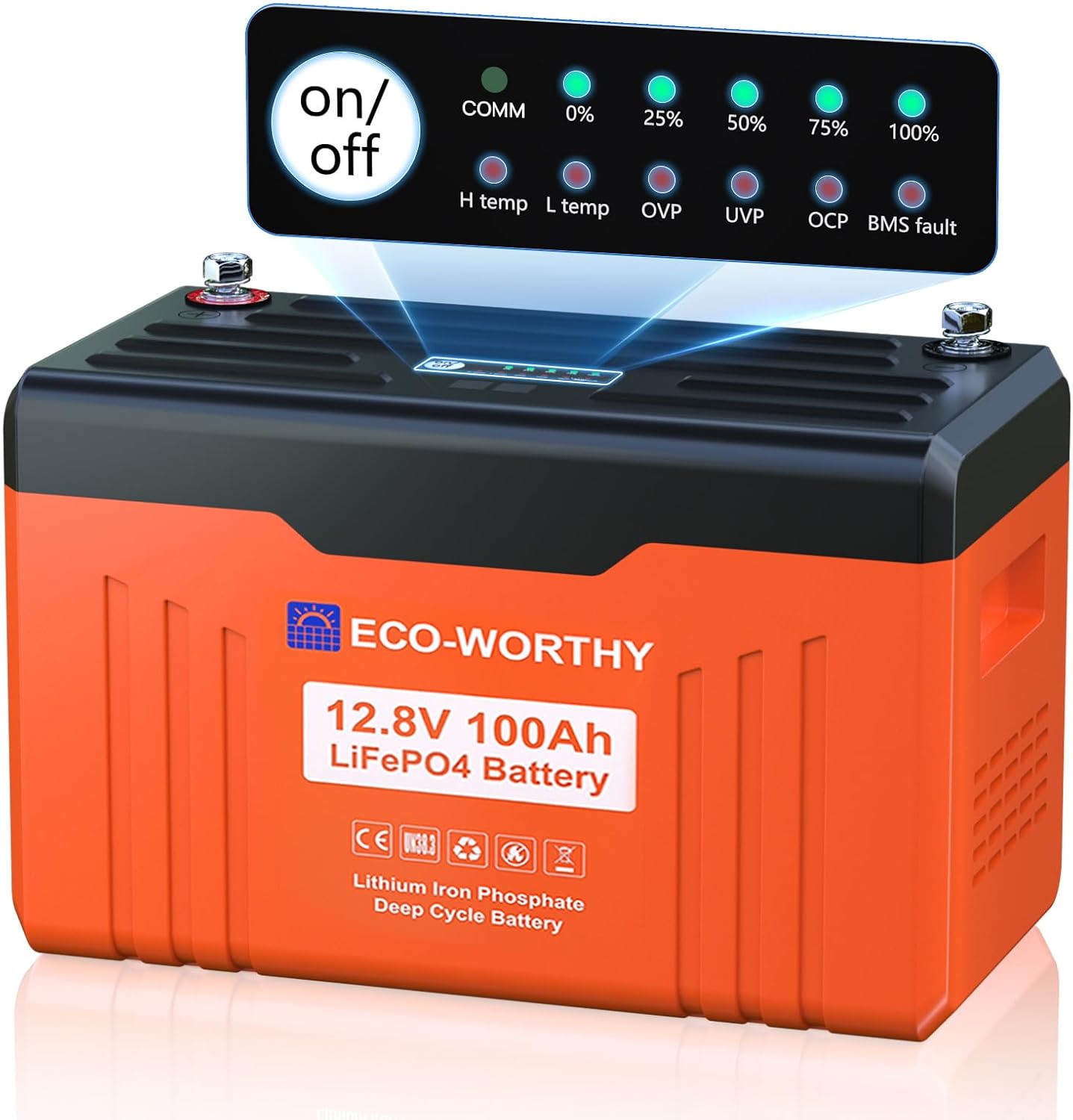
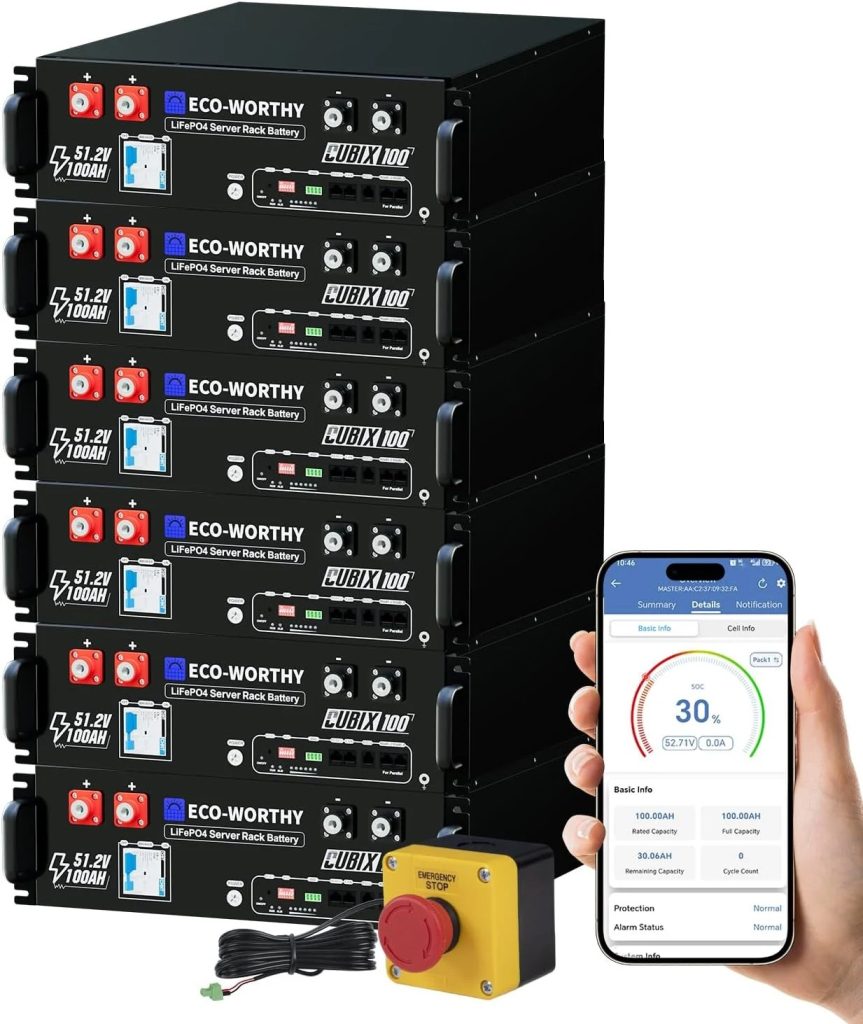
ECO-WORTHY 12V 100Ah LiFePO4
Built-in SOC display + Bluetooth — see your charge level at a glance, no extra shunt needed
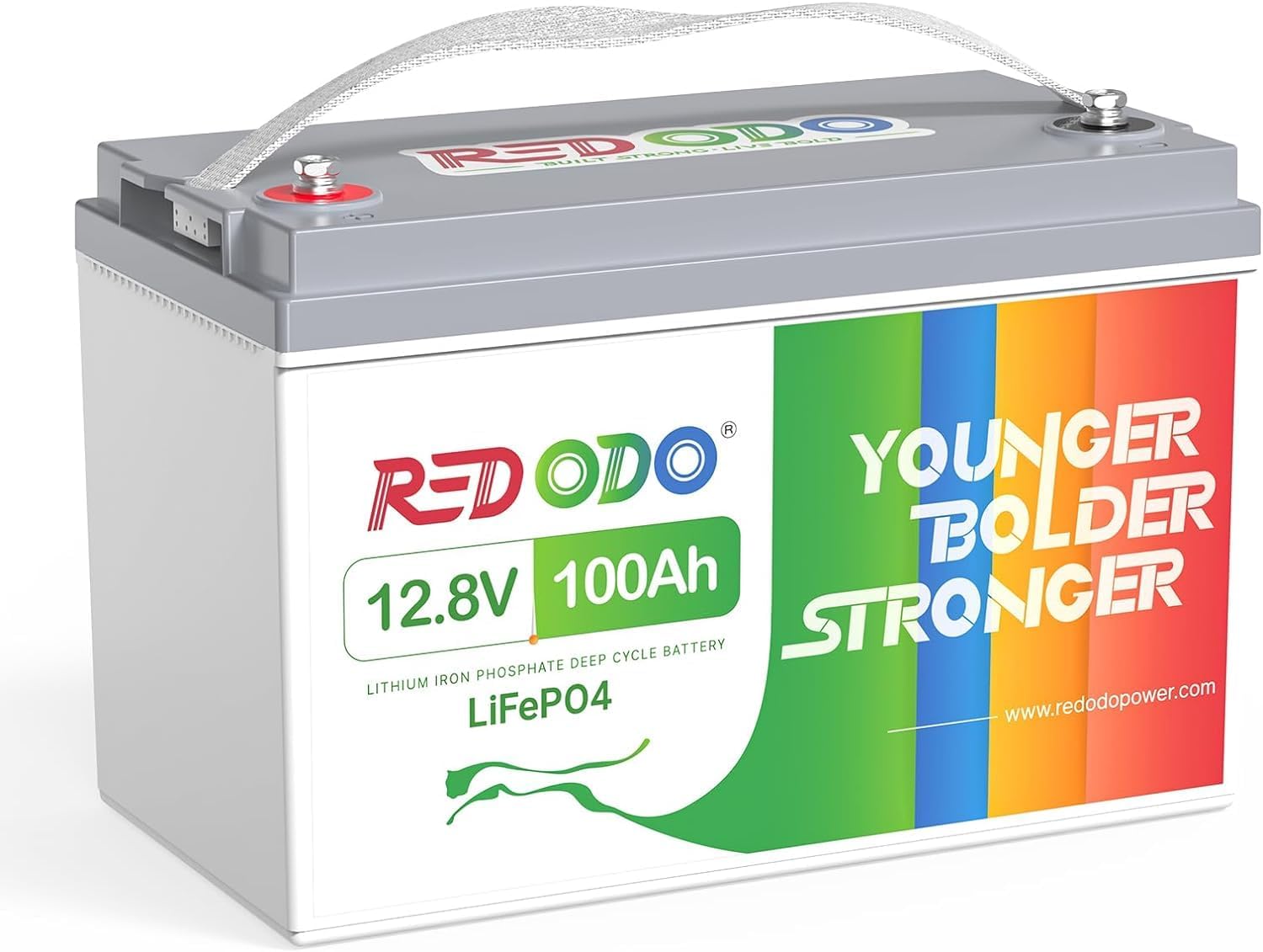
Redodo 12V 100Ah LiFePO4
Larger Group 31 case, simple no-frills build — fits where a Group 31 tray already exists
Prices and availability may vary — tap any product to check the current listing.
What to Look For in Solar Batteries for Camping
Plenty of buyers start with capacity and stop there. Capacity matters, sure, but it sits in a chain — pull too hard, charge too cold, or bolt on the wrong inverter and the headline number stops meaning much. Solar batteries reward people who read the boring parts. Six factors do most of the work, and each one carries a trade-off that marketing copy tends to skip.
Usable capacity, not just the number on the case. A 100Ah lithium battery and a 100Ah lead-acid battery do not deliver the same usable energy in daily camping use. Lithium chemistry tolerates deeper discharge without the same wear penalty, so a much larger share of its stored energy is realistically available for a fridge, lights, and phone charging. Lead-acid, by contrast, lasts longest when only part of its capacity gets used, which quietly shrinks the effective size of the bank. Trade-off? Lithium costs more upfront for that usable energy, while lead-acid looks cheaper until replacement cycles and wasted capacity enter the picture. Weight tells a similar story, since lithium packs comparable usable energy into a noticeably lighter case — handy when a battery box gets lifted in and out of a truck bed every weekend.
That usable-capacity gap is exactly what we worked through in our Renogy 12V 200Ah deep cycle AGM battery review — a 200Ah lead-acid unit only gives up about half its nameplate energy, yet still earns its place in fixed banks where weight never moves.
The BMS limit versus your inverter. Inside a lithium battery sits a battery management system, and its continuous discharge limit caps what the battery can feed at once. LiTime builds this model around a 100A BMS class, which suits modest loads — a small fridge, LED lighting, a laptop charger, fans — far better than it suits a big inverter chasing kitchen appliances. Hook up an oversized inverter and the BMS may cut output during a surge, not because the battery is empty but because the draw crossed its limit. That limit bites. Smaller inverters waste less standby power and pair more honestly with a single 100Ah battery, though they rule out running heavy AC loads at the same time. Choosing between them means deciding what actually needs powering, not what might get powered in some imaginary future trip.
Low-temperature charging protection. Lithium cells dislike being charged below freezing, and damage from cold charging does not show up as a dramatic failure — capacity just fades. A battery with low-temperature protection in its BMS can refuse or pause charging when the cells get too cold, which matters for late-season camping, unheated vans, and mountain cabins. LiTime positions this model with that protection class, a detail worth confirming on any rival before money changes hands. Protection is not magic, though. Discharge in cold weather still delivers less, warm-up takes time, and a battery stored in an uninsulated box on a frosty night may sit idle while morning sun hits the panels and goes to waste.
Group size and whether the thing physically fits. Battery group size describes the footprint and case dimensions, and it decides whether a replacement slides into an existing RV tray or fights you for an hour. LiTime uses a Group 24 size, a common RV and marine footprint that tends to drop into spaces built for older batteries. ECO-WORTHY sells a 100Ah lithium battery in a similar class, while Redodo builds its 100Ah model around the larger Group 31 footprint, which needs more room but can suit a fresh build where space was planned around it. Bigger is not automatically better here. A Group 31 case that forces a new tray, longer cables, and a relocated fuse has a hidden install cost, even if the battery itself leans budget-friendly.
Expansion limits — series, parallel, and the fine print. Many campers start with one battery and add a second a season later, so expansion rules deserve attention before the first purchase. Manufacturers set limits on how many units can connect in series for higher voltage or in parallel for more capacity, and those limits vary by model. Mixing ages, brands, or chemistries breaks the tidy math, because the weakest unit drags the whole bank down. Planning for two to four matching batteries from the same line keeps wiring, charging profiles, and monitoring consistent. Downsides linger anyway — a larger bank takes longer to recharge from the same panel array, and cable, fuse, and busbar costs creep up with every addition. Honestly, I’ve seen people buy the second battery before buying enough panel to fill the first one.
Monitoring — display, Bluetooth, or a separate shunt. Knowing the state of charge sounds like a luxury until a fridge warms up at 2 a.m. because the bank ran lower than anyone guessed. Voltage alone gives a rough, often misleading picture with lithium, since its discharge curve stays flat for so long. ECO-WORTHY leans into this problem with a built-in state-of-charge display on top of the case plus Bluetooth monitoring, so a quick glance or a phone check shows where things stand. LiTime and Redodo take a simpler route on their 100Ah models, which keeps the design uncluttered but pushes owners who want precise numbers toward a separate shunt-based monitor — extra hardware, extra wiring, extra cost. Bluetooth has quirks too: range is short, apps vary in quality, and a display you cannot see inside a closed battery box helps less than expected.
Charging sources tie all six factors together. Panels, a vehicle alternator through a DC-DC charger, and shore power each demand compatible settings, and a solar charge controller with a lithium profile protects the investment better than an old lead-acid-only charger guessing at voltages. Skimp there and even a well-chosen battery underperforms.
When shore power is the charging source rather than panels, the same profile discipline applies — our LiTime 12V 20A LiFePO4 charger review looks at a dedicated 14.6V AC charger built for exactly this battery class, and where it beats a multi-chemistry unit.
How to Match a Solar Battery to Your Situation
General advice only goes so far. Solar batteries get bought for a fridge, a CPAP machine, a string of lights over a picnic table — specific jobs, in specific places. Matching the battery style to the job saves more money than chasing a slightly larger capacity number ever will.
The RV or vanlife fridge runner. Daily life here revolves around a 12V compressor fridge that cycles day and night, plus lights, a fan, and device charging. A single 100Ah lithium battery fits this pattern well, because the loads are mostly native 12V, the discharge rate stays modest, and panels on the roof can top the bank up during driving breaks or long lunches. LiTime’s Group 24 footprint helps in factory battery trays, and low-temperature protection matters for shoulder-season trips. A separate portable power station still earns a place in some vans as a backup or a removable unit for picnic-table use, though running the whole rig from one gets expensive per unit of capacity. Trade-off for the standalone battery: no built-in AC outlets, USB ports, or display unless you add them yourself.
The tent camper building a small DIY solar box. Portability rules this build. A 100Ah lithium battery inside a box with a small inverter, a charge controller, and a couple of outlets weighs far less than an equivalent lead-acid version you would actually bother carrying. Weekend loads stay light — lights, phones, a small fan, maybe a camera battery charger — so the 100A discharge class rarely gets tested. Panels get folded and stowed between trips, charging happens in daylight at camp, and the whole rig lives in a garage between outings. Convenience is the sacrifice. Every connection is something you wired, which means every fault is also something you diagnose, usually by flashlight.
The cabin or backup user planning to expand. Storage for a small cabin, a shed, or home backup for a fridge during outages follows different math. Starting with one 100Ah battery and growing to two, three, or four matching units in parallel spreads the purchase cost across seasons and builds real capacity over time. Redodo’s larger Group 31 case is no obstacle in a cabin corner, and its simple, no-frills design suits a fixed install where a top display would sit unseen anyway. Expansion only works cleanly if the first purchase comes from a line that supports it and stays available later — a discontinued model can strand a half-built bank. And a bigger bank without bigger charging just means a deeper hole to refill after a cloudy stretch.
Three Ways to Store Solar Power, Compared
Labels hide real differences here. Solar batteries, old-school deep-cycle lead-acid, and all-in-one power stations all store energy from panels, but they ask very different things from their owners. Price tiers below are relative, not promises — check current availability through major retailers before planning a build around any single model.
| Type/Tier | Best For | Price Tier | Key Feature | Watch-Out |
|---|---|---|---|---|
| Standalone 100Ah LiFePO4 (LiTime, ECO-WORTHY, Redodo class) | DIY RV, van, and cabin builds | Mid-range to premium upfront, lower cost over its lifespan | Deep usable capacity in a light case, expandable in matching sets | Needs a separate charger, inverter, and wiring to do anything |
| Lead-acid AGM deep cycle | Tight budgets, simple fixed installs | Budget-friendly upfront | Tolerant, widely understood, no electronics to configure | Heavy, and only part of its capacity is usable without shortening its life |
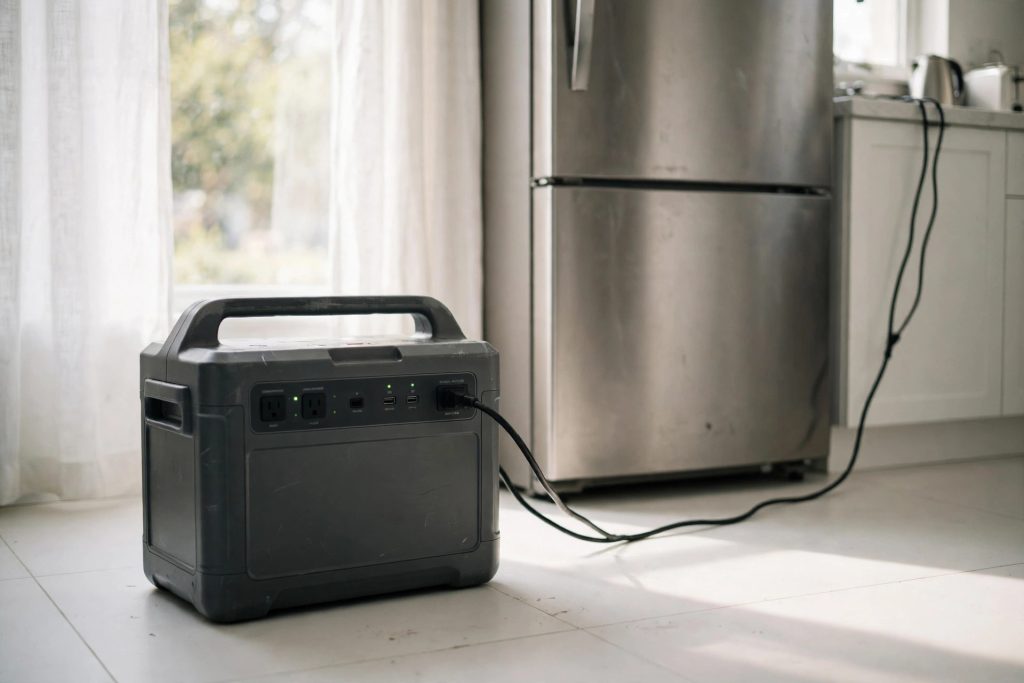
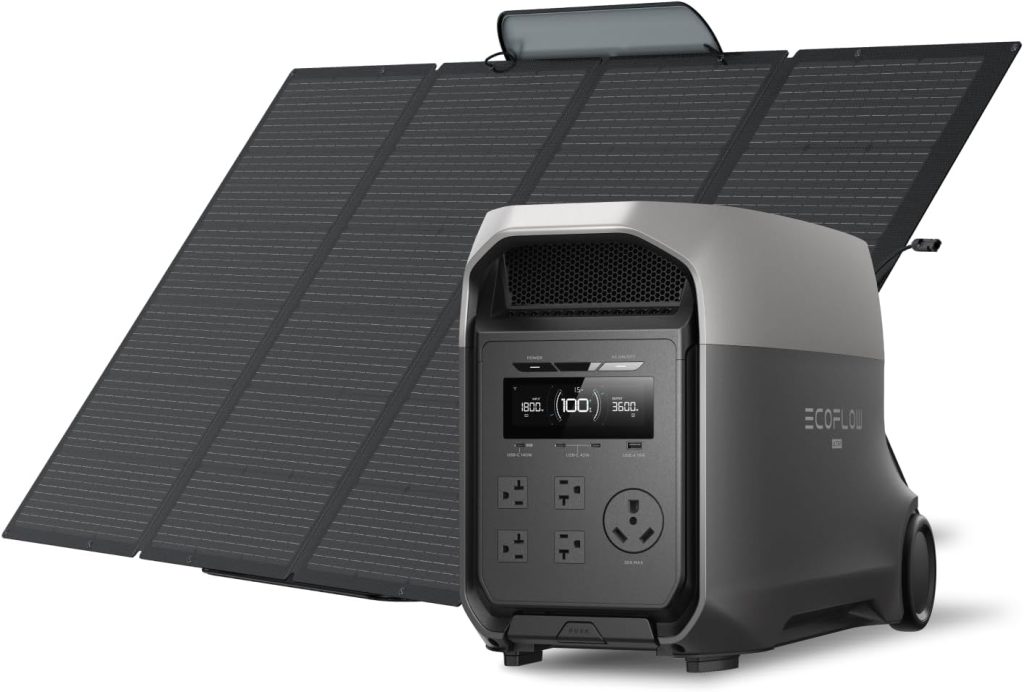
| All-in-one portable power station | Plug-and-play campers, renters, backup power | Premium per unit of capacity | Built-in inverter, outlets, display, and solar input in one box | Capacity is fixed — outgrow it and the whole unit gets replaced |
A standalone lithium battery wins on flexibility and lifespan for anyone willing to wire a small system, and it loses on convenience every single time. Lead-acid still makes sense where weight does not matter, the budget is tight, and loads stay small, though its replacement cycle eats the savings on longer horizons. Power stations trade that expandability for a box you can carry by a handle and use within minutes, which for a lot of campers is the whole point.
Notice what the table leaves out: your time. Wiring, fusing, mounting, and configuring a standalone system takes an afternoon at minimum, and troubleshooting a loose crimp in a campsite is nobody’s idea of a holiday. People who enjoy the build treat that as part of the hobby. People who do not should price their patience into the decision, because the cheapest system on paper can feel expensive by the second weekend of fiddling with it.
Questions People Ask Before Buying
Real buyer questions, straight answers
Is 100Ah enough to run a camping fridge overnight?
Yes, for a typical 12V compressor fridge, one 100Ah lithium battery usually covers an overnight run with room left for lights and phone charging. Fridges cycle rather than draw constantly, so real consumption depends on ambient heat, how often the lid opens, and the temperature setting you choose.
Can a 100Ah LiFePO4 battery run an electric kettle or microwave?
Not comfortably, because large heating appliances pull heavy current that can exceed a 100A-class BMS limit and trip the battery’s protection. Small inverters handle laptops, fans, and chargers well, but kettles and microwaves belong on larger banks, multiple batteries in parallel, or a different power plan altogether.
Should I pick a standalone lithium battery or a power station?
Pick the standalone battery if you want lower cost per usable unit of capacity, native 12V wiring, and room to expand later. Choose the power station instead if built-in AC outlets, a display, and zero wiring matter more, since that convenience is exactly what the higher price per capacity buys.
Do solar batteries work in winter camping?
Yes, they discharge in cold weather, but charging below freezing is the real problem and needs low-temperature protection or a warmed battery space. Output dips in the cold, panels produce less under short winter days, and planning smaller loads for winter trips keeps the system honest.
How many solar panels do I need to recharge a 100Ah battery?
Plan on a modest array that can replace your daily use during the good sun hours, rather than a panel sized only to the battery’s name. Campers who run a fridge typically pair this battery class with a couple of hundred watts of panels, since clouds, shade, and flat mounting angles cut real harvest well below panel ratings.
Weekend Fridge Math, Without the Spreadsheet Headache
Think in watt-hours, loosely. A 100Ah battery at 12V stores roughly twelve hundred watt-hours on paper, and lithium lets you use most of that without punishing the cells. A small compressor fridge might sip a few hundred watt-hours across a day in mild weather, more in a hot van with the doors opening every hour. Lights and phones add a modest slice. Two weekend days of that pattern fits inside one battery for many campers, with the panels replacing a chunk each afternoon.
Recharging is where optimistic plans wobble. Lay foldable solar panels flat on the ground and midday output looks fine, then a cloud bank or a tree shadow halves it without asking permission. Angling panels toward the sun and moving them once or twice a day recovers a surprising amount, which is free energy for anyone willing to wander over and tilt a leg. Winter flips the equation again — shorter days, lower sun, a fridge that works less hard but panels that harvest far less too. Sizing for the worst trip you actually take, not the sunniest one you imagine, keeps the fridge cold and the mood intact.
Winter Camping and the Cold-Charge Problem
Cold changes everything. A battery that performed happily all summer can refuse charge on a frosty morning, and owners who do not know about low-temperature cutoffs assume something broke. Nothing broke, usually. Protection did its job, holding off charging until the cells warm — from sun on the battery box, from driving with the heat on, or from discharge warming the pack slightly during use.
Placement becomes a design decision in cold country. Inside the living space, under a bed or a bench, a battery stays closer to the temperature its occupants tolerate, while a tongue-mounted box on a trailer sees the full overnight low. Insulation slows the chill but cannot stop a long freeze, and heating pads exist for people who camp cold often enough to justify them. Shoulder-season campers in mild climates may never meet the cutoff at all. Knowing which camper you are — before the trip, ideally — decides whether low-temperature protection is a headline feature or a nice insurance policy.
Panel choice plays into winter and summer sizing alike. A bifacial solar panel can pick up reflected light from bright ground, snow included, which helps a bit when days are short and the sun stays low. Gains vary with setup and surface, so treat any extra harvest as a bonus rather than a promise, and size the array for the dull days regardless.
Common Mistakes When Buying a Solar Battery
Pairing a big inverter with a 100A-class battery. Bigger inverters look like future-proofing, but a surge from a power tool or a heating appliance can push past the BMS discharge limit and shut the system down mid-use. Standby draw from an oversized inverter also drains the bank overnight doing nothing. Match the inverter to loads you genuinely run, and let the kettle stay home.
Charging below freezing without protection. An unprotected lithium battery charged on a frosty morning can lose capacity quietly and permanently. Campers in cold regions need low-temperature protection in the BMS, a warm mounting spot, or the discipline to wait until the battery warms before letting the controller push current. Discipline, in practice, is the option most people forget by the third trip.
Mixing old lead-acid with new lithium. Combining chemistries, ages, or brands in one bank sounds thrifty and behaves badly. Different voltage curves and internal resistance mean the units charge and discharge unevenly, the older battery drags the newer one down, and diagnosing problems turns into guesswork. Replace a bank as a matched set, or run the systems separately.
Forgetting the lithium charging profile. A charger or solar controller stuck on a lead-acid profile may undercharge a lithium battery or hold voltages that shorten its life. Setting a lithium profile — or using gear that detects it — takes minutes and protects the most expensive part of the system. Skipping that step to save a few dollars on an old charger is false economy, plain and simple.
Why, How, What: Solar Battery Basics
Why do campers switch from lead-acid to LiFePO4?
Weight and usable capacity drive most switches, since lithium delivers more of its stored energy per charge and weighs far less for the same usable amount. Longer service life spreads the higher upfront price across more seasons of trips. Charging tends to be faster too, which matters when good sun only lasts a few hours.
How does a BMS protect a solar battery?
A battery management system watches current, voltage, and temperature, then cuts the battery off when any of them leaves a safe range. Overload, short circuit, overcharging, and freezing-charge conditions all fall under its watch. Think of it as a referee that cannot be argued with — when it blows the whistle, power stops until conditions recover.
What size solar battery does a typical RV setup need?
One 100Ah lithium battery covers a fridge, lights, and devices for many RV and van users, especially with daily solar input. Heavier AC use, cloudy regions, or several days without driving pushes the answer toward two or more batteries in parallel. Starting with one and expanding later suits most people better than oversizing on day one.
Key Takeaways
Usable capacity separates lithium from lead-acid more than the headline amp-hour number does.
A 100A-class BMS pairs with modest inverters and native 12V loads, not big heating appliances.
Low-temperature charging protection matters anywhere nights drop below freezing.
Group size decides fit — Group 24 drops into many RV trays, Group 31 needs more room.
Monitoring ranges from ECO-WORTHY’s built-in display and Bluetooth to a separate shunt on simpler models.
Standalone solar batteries reward DIY builders and punish anyone who hates wiring.
Expansion works cleanly only with matching batteries from the same line.
Decision Tree: Which Storage Fits You?
Want AC power in minutes with zero wiring? → Choose an all-in-one power station.
Run a 12V fridge and lights in an RV or van, and own panels already? → Choose a standalone 100Ah LiFePO4 battery.
Need at-a-glance charge level without adding a separate monitor? → Look at ECO-WORTHY’s display-equipped model.
Have a Group 31 tray or a cabin corner with space to spare? → Redodo’s larger, simple design fits.
Camp below freezing several times a year? → Filter for low-temperature charging protection before anything else.
Plan to grow the system over a few seasons? → Start with one battery from an expandable line and add matching units.
Working with a tight upfront budget in a fixed, weight-insensitive spot? → Lead-acid AGM remains a workable stopgap.
The inverter you pair with a battery like this matters just as much as the battery itself. For typical cabin and RV loads, a 100Ah LiFePO4 pairs comfortably with a 2000W pure sine wave inverter like the Renogy we reviewed, which is the setup most small off-grid systems end up running.
Frequently Asked Questions
How long does a 100Ah LiFePO4 battery last before it needs replacing?
Lithium iron phosphate chemistry is built for many more charge cycles than lead-acid, so a camping battery used seasonally can serve for years. Actual lifespan depends on heat, discharge depth, and charging habits more than on the calendar. Storing it partly charged in a cool place between trips helps. How much charge it keeps there is its low self-discharge rate, and the standby traps that drain a stored unit faster than its cells do.
Can I use a LiTime 100Ah battery as a drop-in replacement for my RV lead-acid battery?
Often yes, since the Group 24 footprint matches many factory trays and the voltage suits 12V RV systems. Your converter or charger still needs a lithium charging profile to fill it properly. Checking that one setting before the swap prevents most drop-in disappointments.
Do I need a special charger for solar batteries made with LiFePO4?
A charger or solar controller with a lithium profile is strongly recommended, because lead-acid settings can undercharge the battery or stress it over time. Many modern controllers include the profile as a selectable option. Using existing gear is fine when that profile exists in its settings.
Can I connect two 100Ah lithium batteries in parallel for more capacity?
Yes, matching batteries in parallel is the standard way to grow a 12V bank, and makers publish limits on how many units can join. Keep the batteries the same brand, model, and age, and use equal-length cables so they share the load evenly. Mixing in an old lead-acid battery undoes the benefits.
What is the difference between Group 24 and Group 31 batteries?
Group size describes the case footprint, with Group 31 being the larger of the two. A Group 24 battery fits more existing RV and marine trays, while Group 31 needs extra room that fresh builds can plan around. Capacity can be identical — the label is about dimensions, not energy.
Are solar batteries safe to use inside a van or camper?
LiFePO4 is regarded as one of the more stable lithium chemistries, and its built-in BMS guards against overloads and short circuits. Sensible installation still matters: secure mounting, fused cables, and ventilation space around terminals. Cheap, damaged, or incorrectly wired gear is where most problems start, regardless of chemistry.
Final Recommendation
For most RV and camping DIY builds, the LiTime 12V 100Ah LiFePO4 is the balanced default pick — Group 24 fit for common trays, low-temperature protection for shoulder-season trips, and a straightforward design that expands with matching units as needs grow. Choose ECO-WORTHY instead if monitoring leads your priority list, since its top display and Bluetooth checks suit people who hate guessing at charge level. Redodo fits buyers with Group 31 space available who prefer a simple, no-frills battery at a budget-leaning tier.
Skip the whole standalone category if wiring holds no appeal. A power station costs more per unit of capacity and cannot grow, but it works within minutes of unboxing and asks nothing of you beyond plugging in a panel. That honesty about your own patience — not any spec sheet — decides which purchase still feels right three seasons from now.
Top 3 Solar Batteries for Camping
Same 100Ah class — three builds, different monitoring and footprints.
LiTime 12V 100Ah LiFePO4
Compact Group 24 footprint + low-temp protection — the balanced default for RV and van builds
ECO-WORTHY 12V 100Ah LiFePO4
Built-in SOC display + Bluetooth — see your charge level at a glance, no extra shunt needed
Redodo 12V 100Ah LiFePO4
Larger Group 31 case, simple no-frills build — fits where a Group 31 tray already exists
Prices and availability may vary — tap any product to check the current listing.
Affiliate Disclosure: This article contains affiliate links. If you buy through one of these links, we may earn a commission at no extra cost to you.