Choosing a portable power station for camping usually comes down to capacity, outlets, and how fast the box refills before the next trip. Shoppers hunting for a portable power station in the mid-size class now face a stranger question, because the Anker SOLIX C800 Plus tucks two detachable camping lights into a compartment on top and adds a light bar of its own. Coverage in late-October deal roundups kept calling it a camping pick, and that attention makes sense. Strip away the lights, though, and it still has to earn its place against the BLUETTI AC70 and the Jackery Explorer 500 v2 on plain power terms.
Quick Answer
The Anker SOLIX C800 Plus is worth it for car campers who want fewer separate gadgets rattling around the trunk, because its built-in lights genuinely replace a camp lantern for tent and table use. Skip it if good lanterns already live in your kit, or if nightly loads regularly push past what a 768Wh-class battery can cover.
Compare Top Portable Power Stations for Camping
Three mid-size LiFePO4 stations side by side — one with camping lights built in, one built for fast intake, one built to stay light.
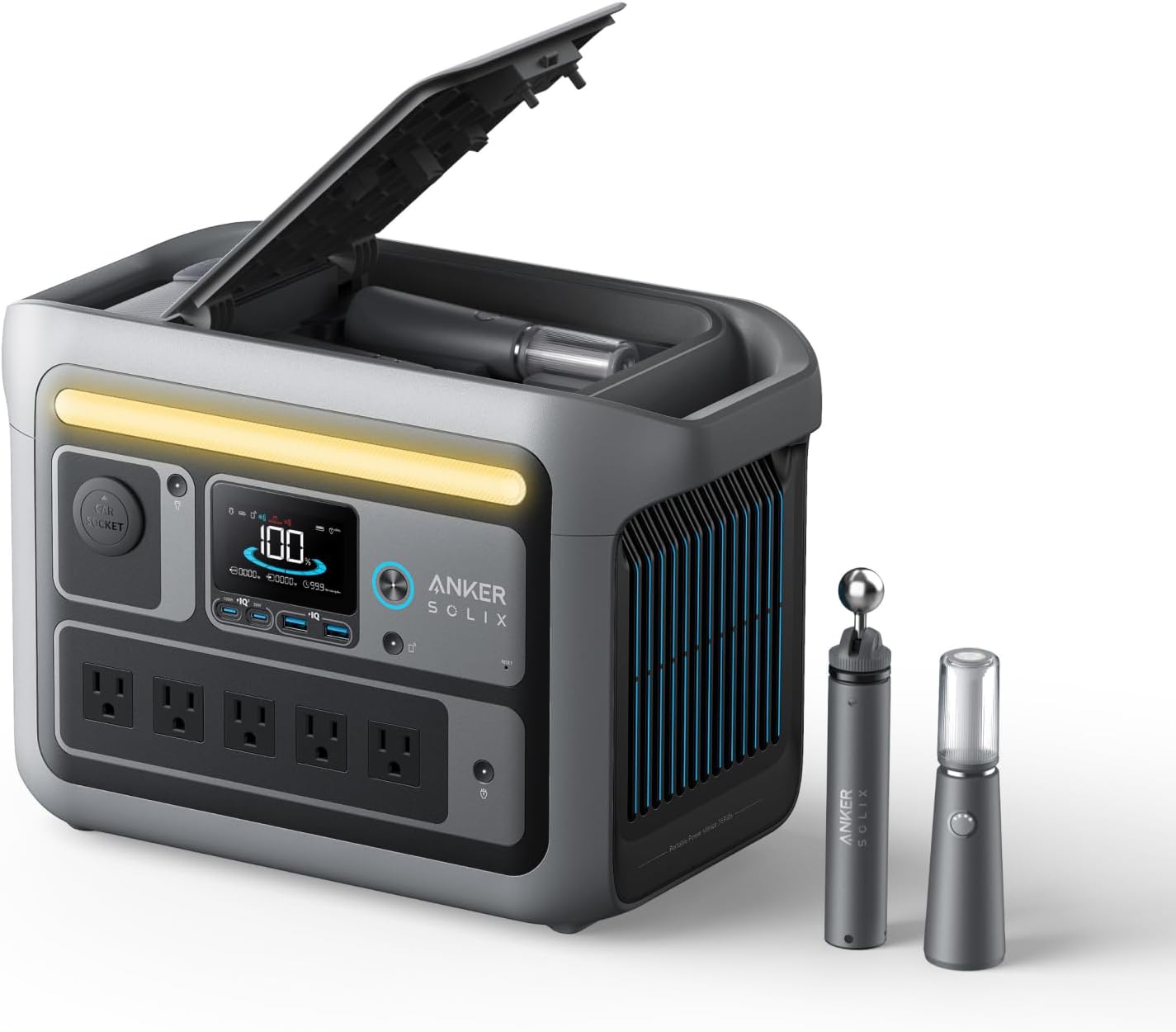
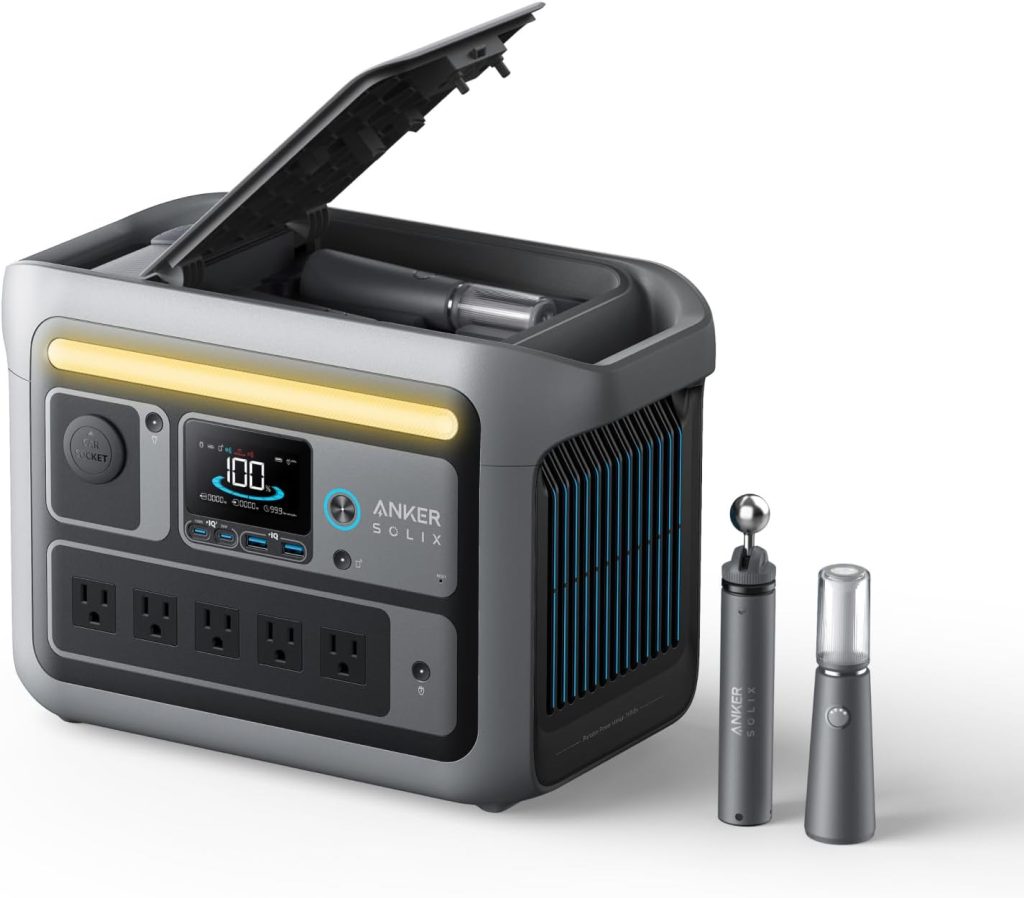
Anker SOLIX C800 Plus
768Wh with the strongest AC output here and five outlets, plus two detachable camping lights that live in the lid — the fewest separate gadgets to pack
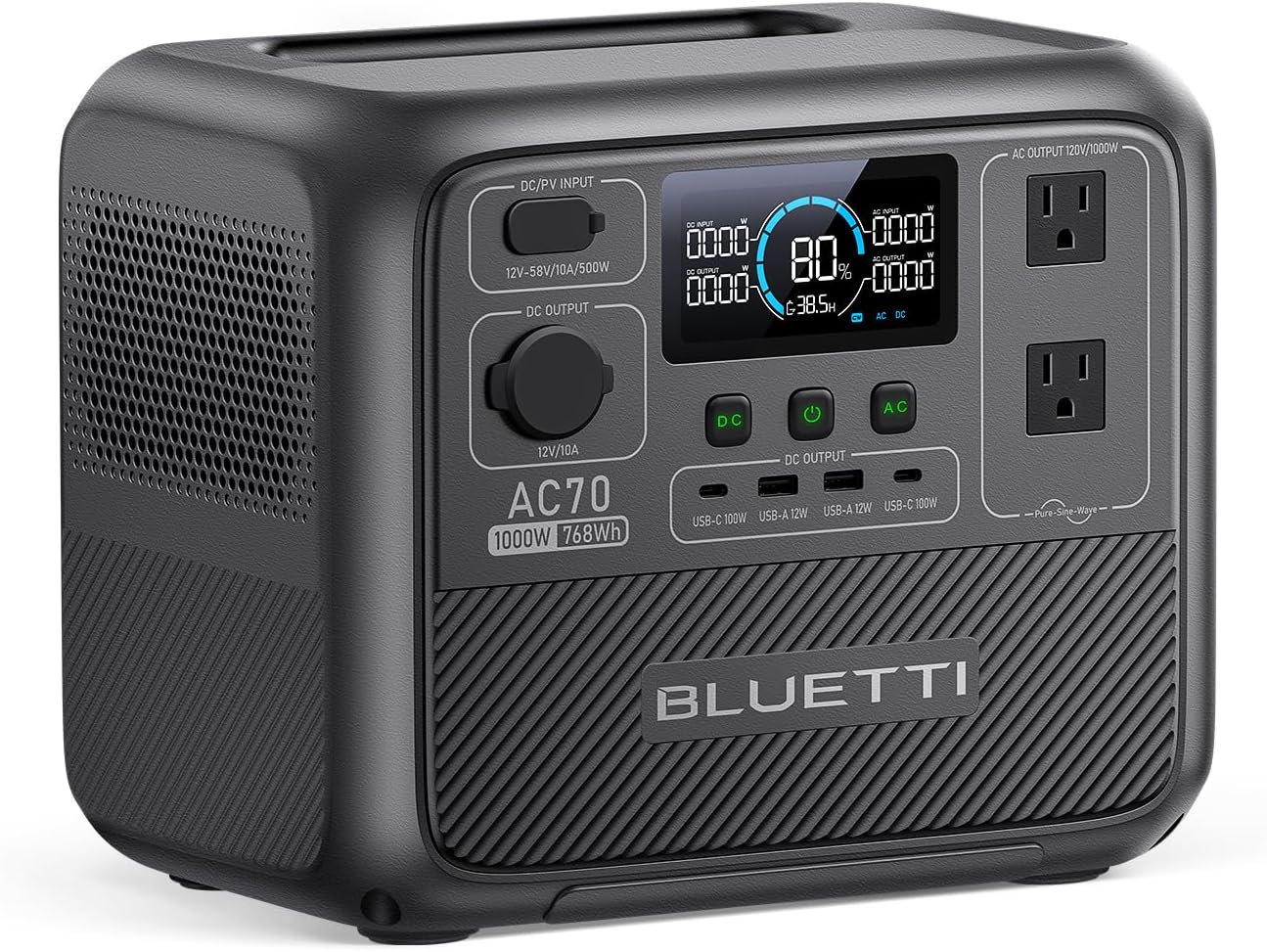
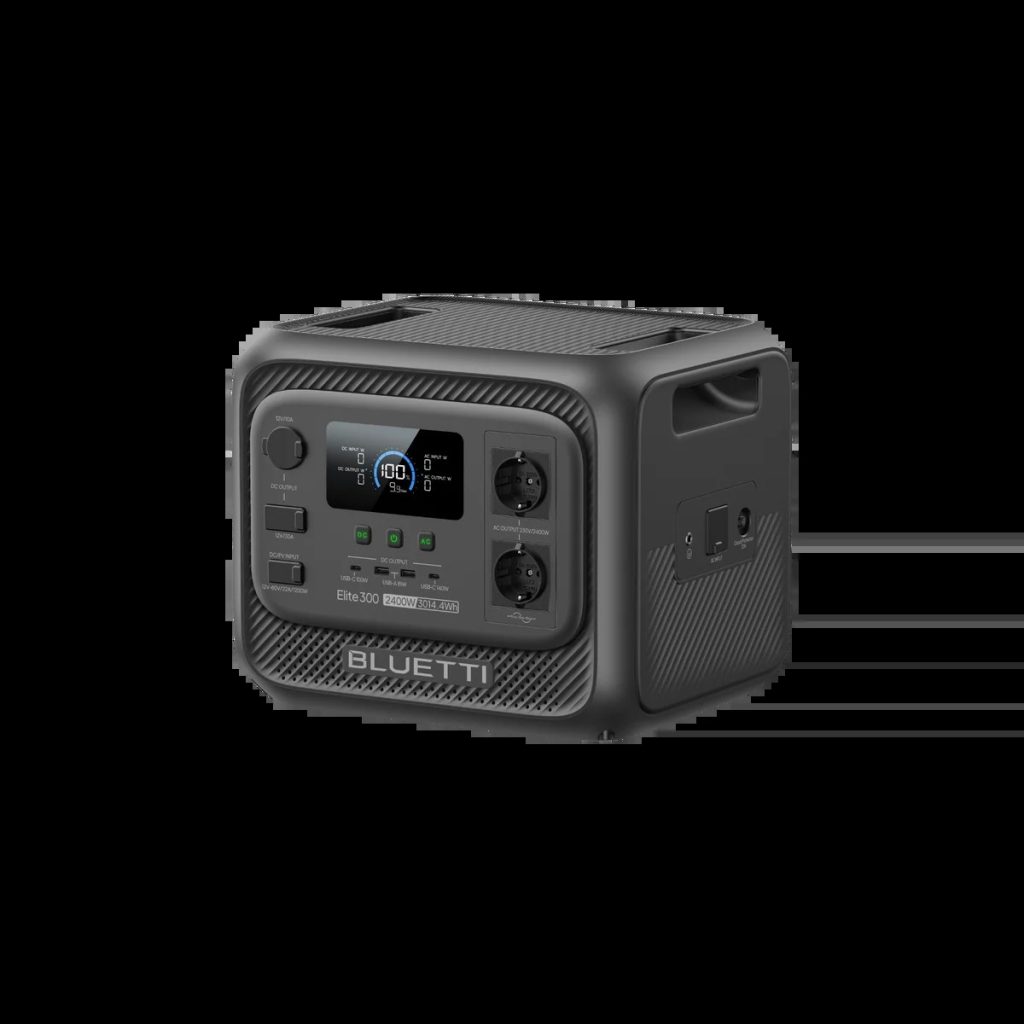
BLUETTI AC70
Same 768Wh class with faster wall charging, a bigger solar input and two 100W USB-C ports — but only two AC outlets and no lights
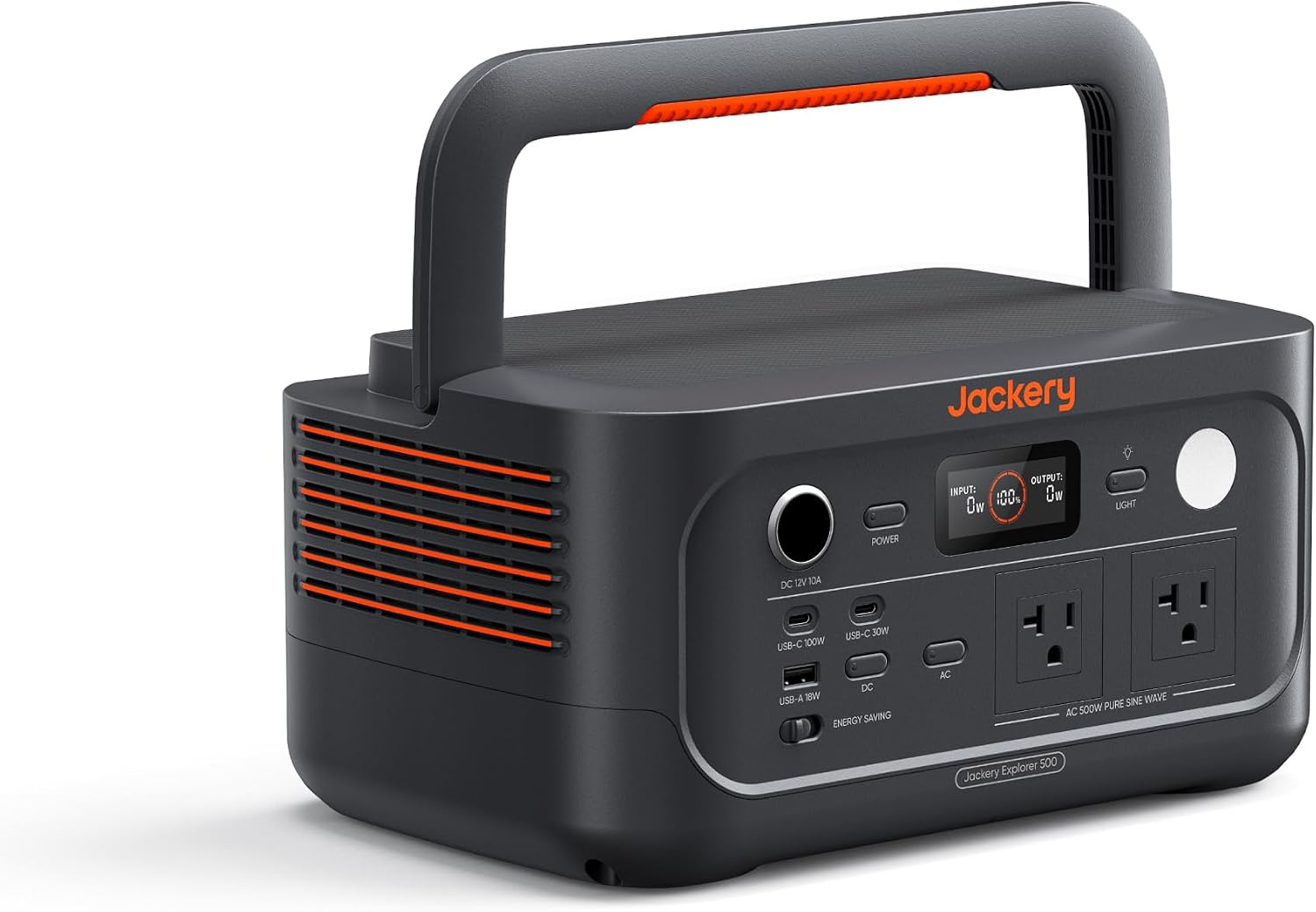
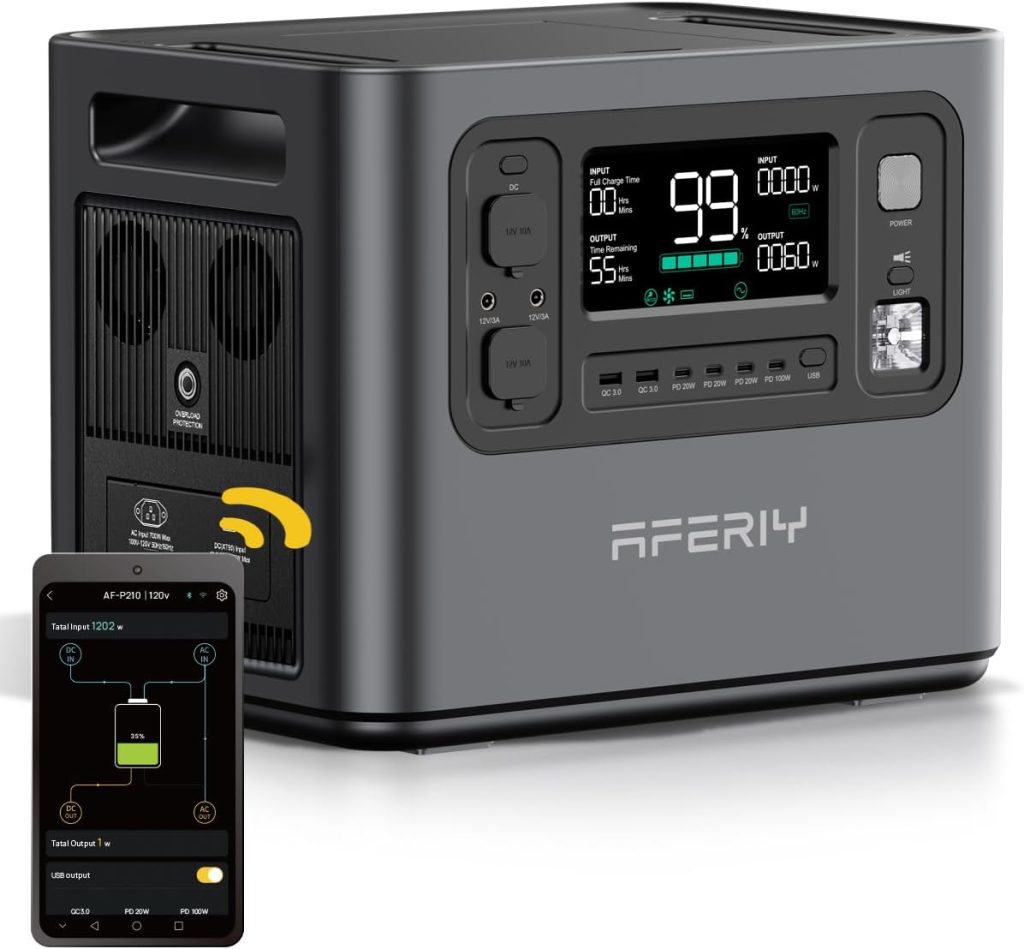
Jackery Explorer 500 v2
The lightest carry here at roughly 14 pounds with a smaller 512Wh battery — kindest on your back, first of the three to run dry
Prices and availability may vary — tap any product to check the current listing.
What to Look For in a Portable Power Station for Camping
Headline numbers sell these boxes. Campground reality is less tidy.
Usable capacity matters more than the big number on the box
Manufacturers print total capacity, yet no station hands you every watt-hour it stores. Conversion losses eat a slice whenever AC power leaves the box, and a fridge cycling through a warm night draws in unpredictable bursts. Planning around roughly four-fifths of the headline figure keeps expectations honest. It feels smart at 2 a.m., when the fridge is still humming.
AC output tells you what you can plug in, not for how long
Raw AC output decides which appliances start at all. Motors and heating elements surge at startup, so a station needs headroom above a device’s running draw, not just a match for it. Anker rates this model in the 1,200W class, with its SurgePad feature pushing resistive loads higher for short stretches — a small kettle in brief bursts, not a full breakfast routine. Heating remains the trap here. Electric kettles, induction hobs, and space heaters chew through a mid-size battery so fast that “it can run one” and “you should run one” become very different statements.
Outlet count competes with USB-C quality
Five AC outlets on the US version sounds generous, and for a family tent with chargers scattered everywhere, it is. Two USB-C ports sit alongside USB-A ports and a car outlet, though the USB-C outputs aren’t equal — one handles high-draw laptops comfortably, while the other suits phones and tablets. BLUETTI flips the priority, offering far fewer AC outlets but two equally strong USB-C ports. Families plugging in a pump, a fan, and a string of chargers will miss the extra sockets more than they notice faster USB charging.
Recharge speed has two halves, and people only quote one
Wall charging gets the headlines because the numbers look dramatic. Anker’s UltraFast mode, switched on in the app, can refill this station in under an hour, with standard mode taking longer and treating the battery more gently. Solar input is the quieter half of the story. The C800 Plus accepts solar in the 300W class, lower than the BLUETTI rival, so a huge panel array simply clips at the cap and wastes money spent on glass. Matching panel size to the input limit beats buying the largest blanket that fits the roof.
Weight counts in a loaded car, not on a spec sheet
Station weight alone misleads people. Add cables, panels, a fridge, water, and a tent, and every pound argues with every other pound in the trunk. This Anker lands in the mid-20-pound range, a touch heavier than its BLUETTI rival and noticeably heavier than the smaller Jackery. Carrying it from car to picnic table is fine. Hauling it half a mile to a walk-in site is a different proposition, and no handle design fixes that. Honestly, most mid-size stations are car-camping tools pretending they are portable in a hiking sense. They aren’t.
Lights and extras — useful, or a gimmick wearing a costume?
Here’s where this model separates itself. Two removable lights live in a storage compartment on top, each offering three modes, and they recharge right there in their slots instead of demanding yet another cable. None of this replaces a proper work light for repairs under a vehicle. Around a tent, a cooking table, and a midnight path to the bathroom, though, the output is aimed exactly right. A dedicated rechargeable camping lantern still wins on hanging options, wider beam spread, and placement away from the battery you’re trying not to trip over. Separates win on flexibility. Built-ins win on never being left in a drawer at home.
Do you actually forget lanterns that often? Be honest.
How to Match the Station to Your Situation
The car camper who hates packing extras
Your packing list already runs long, and every loose accessory is one more thing to lose in the grass after dark. Lights stored inside the station remove two items from that list entirely. Weekend loads here usually mean a fridge or a fan, phone charging, maybe a speaker in the evening — well inside what this class handles over a night or two. Short trips flatter this product.
The small-van or overland driver
Solar input caps matter more here because roof panels feed the battery day after day, not just on occasional weekends. Drivers in this group should look hard at the BLUETTI AC70, since its higher solar ceiling and stronger USB-C pair suit a semi-permanent setup where built-in lights mostly duplicate lighting already fitted in the van. Counterpoint: for overland trips in a regular SUV with no fitted interior lights, the Anker’s detachable lamps pull double duty at camp and during roadside stops. Context decides. The same feature is redundant in one vehicle and quietly brilliant in another.
The home-backup buyer borrowing it for camping
Your real fear is a blackout, and camping is the excuse that justifies the purchase to the rest of the household. Keeping phones alive, running a router, and keeping a fridge cold through an overnight outage all sit comfortably within this class. The Anker’s light bar and removable lights help during an outage too, since they stretch battery life versus plugging in household lamps. Just don’t confuse emergency comfort with whole-home backup. Heaters and cooking appliances drain the plan fast, and if even this size feels oversized for camping, a smaller portable power station may cover phones and lights at home with far less trunk bulk.
Three Mid-Size Stations, Side by Side
| Type/Tier | Best For | Price Tier | Key Feature | Watch-Out |
|---|---|---|---|---|
| Anker SOLIX C800 Plus | Car campers who want lighting built in | Mid-to-premium | 768Wh LiFePO4, 1200W AC output, two detachable camping lights plus light bar, five AC outlets | Solar input caps in the 300W class; 768Wh won’t carry heating loads for long |
| BLUETTI AC70 | Van and laptop-heavy setups wanting faster solar intake | Mid-to-premium | 768Wh LiFePO4, 1000W AC output, two 100W USB-C ports, solar input up to the 500W class | Only two AC outlets; no built-in lights at all |
| Jackery Explorer 500 v2 | Weight-sensitive campers with lighter loads | Mid-range | 512Wh LiFePO4, 500W AC output, lightest build here at roughly 14 pounds, 100W USB-C port | Smallest capacity and AC output here; one modest built-in front light rather than a full lighting setup |
The Anker row is the convenience play, trading a lower solar ceiling for lights and outlets that weekend campers use constantly. BLUETTI’s row is the intake play — less socket count, stronger USB-C, and room for bigger panels. Jackery’s row is the carry play, giving up capacity so the box itself stops being the heaviest single item in the trunk.
A Weekend, a Blackout, and a Long Drive
Two nights of car camping, in plain numbers
Picture a 12V fridge cycling through the night, two phones, a couple of lights, and maybe a fan on a sticky evening. Spread across a night, those loads typically consume a few hundred watt-hours — manageable for this class if the fridge is efficient and pre-chilled before loading. Running the station down carelessly on day one leaves nothing for the second evening. Treating the detachable lights as your main lighting helps the math, because they sip power compared with household lamps plugged into AC outlets. Small savings compound.
One power-cut night at home
Routers, phones, a fridge, and one or two lights become the priority list, and entertainment drops off it surprisingly fast. Placed in a hallway, the Anker’s light bar handles navigation while the removable lights move room to room — more useful than it sounds at midnight. Expect comfort, not normal life. A fridge and communications through the night is realistic; adding a heater turns the evening into a countdown timer nobody enjoys watching.
A week on the road with solar top-ups
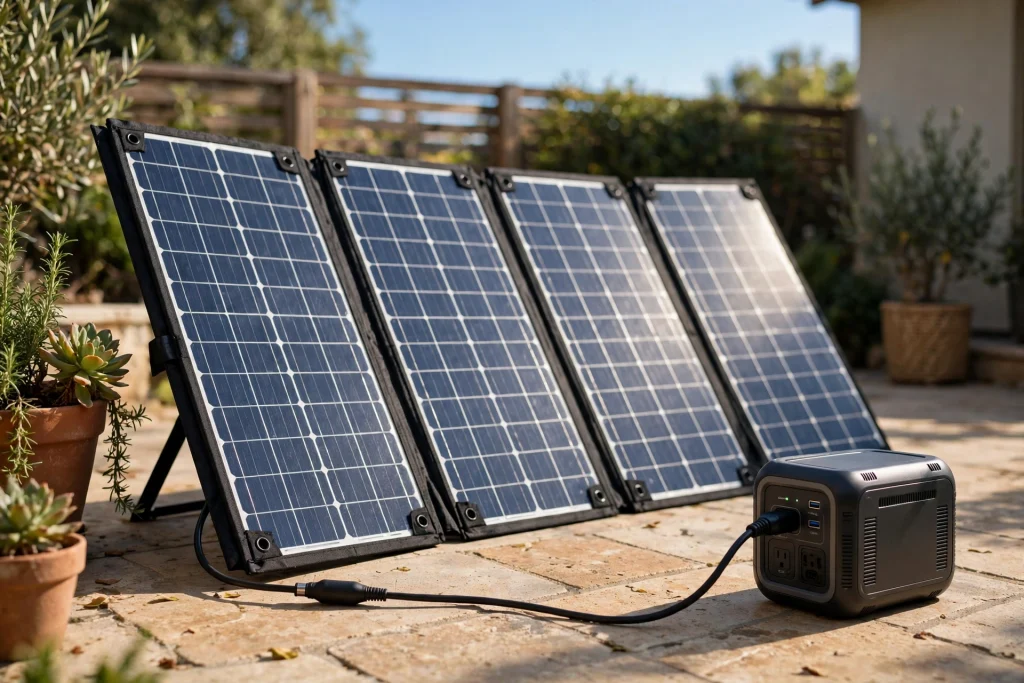
Long trips reward whatever refills quietly in the background. Parking a panel in the sun during lunch stops and at camp can return a meaningful chunk of a day’s use in clear summer weather. Pairing this station with foldable solar panels sized near its input cap makes more sense than hauling an oversized array it can’t accept. Drivers covering real miles have an easier fallback: a wall outlet at a motel or campsite hookup every few nights resets the battery completely, and solar becomes a bonus rather than a lifeline.
Common Mistakes Buyers Make
Mistake one is shopping by headline capacity alone. Two stations can share a similar printed figure and deliver noticeably different usable energy once AC conversion losses and reserve margins enter the picture. Shoppers who plan loads against the full number end up surprised, then annoyed. Planning was the failure.
Mistake two is treating surge ratings as running ratings. A station that starts a demanding appliance hasn’t promised to run it through dinner. Heating loads expose this gap fastest. Look at running draw and hours, not the biggest watt figure on the box.
Mistake three is oversizing the solar array. Panels beyond a station’s input ceiling don’t charge it faster; they just cost more and pack worse. I’ve seen people spend heavily on glass their battery literally cannot use. Check the cap first.
Mistake four is buying built-in extras without auditing what’s already owned. Campers with two solid lanterns in the garage gain little from lights integrated into a station, and the savings from a plainer model could go toward panels instead.
Why, How, and What to Know Before You Buy
Why does LiFePO4 matter in a station this size?
Longevity is the short answer. Lithium iron phosphate chemistry tolerates thousands of charge cycles before capacity fades noticeably, far beyond older lithium chemistries in earlier generations of these products. Van users cycling a battery daily feel it much sooner, in a station still holding useful capacity long after a cheaper pack would have tired.
How should you size a station for a camping fridge?
Start with the fridge, since it runs while everything else sleeps. Estimate its daily consumption from its rated draw and realistic duty cycle, then add phones, lights, and small extras on top. Multiply by nights between charges, and compare that total against usable capacity rather than the printed figure.
What do the built-in lights actually replace — and what don’t they?
They replace a camp lantern for tent, table, and pathway lighting, which is most of what casual campers need after dark. Each detachable light offers multiple modes, from dim tent use to brighter cooking light, and both live where you can’t forget them. They don’t replace a focused work light, a headlamp for hiking after dark, or lighting placed far from the station.
Questions People Ask Before Buying
Real buyer questions, straight answers
Is the Anker SOLIX C800 Plus worth it for camping?
Yes, for car campers who value packing simplicity, because the lights and outlet count solve real weekend annoyances in one box. Campers who already own quality lanterns gain less and should compare plainer rivals closely. Its value sits in consolidation, not raw capacity, since competitors match its battery size without the lighting extras.
Are the built-in camping lights actually useful or just a gimmick?
They’re genuinely useful for tent and table lighting, because they detach, offer multiple brightness modes, and recharge inside the station. That convenience removes a separate lantern and its cable from your packing list. They won’t replace a work light or headlamp, so the feature is practical within limits rather than a gimmick or a complete lighting system.
Anker SOLIX C800 Plus or BLUETTI AC70 — which should I buy?
Choose the Anker if outlets and built-in lights match your camping style, since it carries more AC sockets and the detachable lamps. Pick the BLUETTI if solar intake and laptop charging matter more, given its higher solar ceiling and stronger USB-C pairing. Capacity ties between them, so the decision rests on features rather than battery size.
How much solar panel does the C800 Plus actually need?
A panel setup in the 200W class covers most campers well, because it refills a meaningful share of daily use without overspending. Larger arrays approach the station’s input ceiling and return diminishing value beyond it. Occasional campers may skip panels entirely and rely on fast wall charging between trips, which suits short weekends fine.
Can the C800 Plus run a 12V camping fridge overnight?
Yes, an efficient 12V fridge is exactly the load this capacity class handles well overnight. Pre-chilling food and keeping the lid closed preserves a comfortable reserve for phones and lights by morning. Older or poorly insulated fridges in hot weather draw far more, so individual results swing with conditions and fridge quality.
Key Takeaways
The C800 Plus stands apart through two detachable camping lights and a light bar, features no direct rival in this class currently matches.
Capacity sits in the 768Wh LiFePO4 class with AC output in the 1,200W class, enough for fridges, fans, and device charging — not sustained heating.
Five AC outlets favor families and gadget-heavy tents, while rivals answer with stronger USB-C or higher solar ceilings.
Solar input in the 300W class means mid-size panels fit; oversized arrays waste money at the cap.
Shoppers who already own good lanterns should price the plainer BLUETTI and Jackery options before paying for built-in lights.
Decision Tree: Which Mid-Size Station Fits Your Trip?
You pack for car camping and always forget a lantern → The C800 Plus fits, because its lights live inside the station and its outlets handle family charging without a power strip.
Your setup lives in a van with panels already mounted → The BLUETTI AC70 fits better → its higher solar ceiling and twin high-power USB-C ports serve a fixed installation where built-in lights add little.
Trunk weight decides everything and loads stay light → The Jackery Explorer 500 v2 fits → smaller capacity is the price of a box that’s genuinely easier to move.
Heating appliances sit at the center of your plans → None of these fit → step up to a larger capacity class instead of asking a mid-size battery to do a big battery’s job.
If the C800 Plus is more station than you actually need, its smaller sibling Anker SOLIX C300 covers short trips and tabletop charging in a much lighter package.
Frequently Asked Questions
How long does the C800 Plus take to recharge?
With fast charging enabled through its app, a wall refill takes under an hour, while standard mode runs slower and gentler on the battery. Solar timing depends on panel size and sun, stretching from a few bright hours to most of a cloudy day.
How many charge cycles does the battery last?
The maker rates its LiFePO4 pack for 3,000-plus cycles before capacity drops to a reduced but still usable level. Casual weekend use translates to many years of service at that rating.
Does it support app control?
Yes, it connects over Bluetooth and Wi-Fi through the maker’s app, where you can monitor charge, adjust settings, and enable the fastest recharge mode. Campers who dislike apps can still operate the core functions from the unit itself.
Can it run a CPAP machine on a camping trip?
Generally yes, since most CPAP machines draw modest power, particularly with heated humidification and tubing switched off. One night is a comfortable expectation for this class; multiple nights without recharging gets tight.
Is 768Wh enough for a family camping weekend?
For lights, phones, a fan, and an efficient fridge across two nights, it can be — with solar top-ups or modest discipline about what’s plugged in. Families adding projectors and cooking appliances will drain it well before Sunday.
Where can I buy the Anker SOLIX C800 Plus?
It’s available through major retailers and widely available online, in the mid-to-premium tier for this class. Stock and bundle options shift through the season, so check current availability before planning a trip around a delivery date.
Final Recommendation
Buy the C800 Plus if your camping looks like most people’s camping — a car, a tent, a fridge, and a pile of small gear that somehow multiplies every year. Its lights aren’t decoration; they’re two fewer things to pack, charge separately, and lose, stacked on a competent mid-size station with generous outlets and fast wall recharging. For that buyer, the package makes sense as a whole in a way rivals don’t quite replicate.
Buy the AC70 instead if solar intake, laptop charging, or a van installation tops your list, and buy the Explorer 500 v2 if keeping the load light matters more than extra capacity. Lights or no lights, physics still wins.
Compare Top Portable Power Stations for Camping
Three mid-size LiFePO4 stations side by side — one with camping lights built in, one built for fast intake, one built to stay light.
Anker SOLIX C800 Plus
768Wh with the strongest AC output here and five outlets, plus two detachable camping lights that live in the lid — the fewest separate gadgets to pack
BLUETTI AC70
Same 768Wh class with faster wall charging, a bigger solar input and two 100W USB-C ports — but only two AC outlets and no lights
Jackery Explorer 500 v2
The lightest carry here at roughly 14 pounds with a smaller 512Wh battery — kindest on your back, first of the three to run dry
Prices and availability may vary — tap any product to check the current listing.
Affiliate Disclosure: This article contains affiliate links. If you buy through one of these links, we may earn a commission at no extra cost to you.